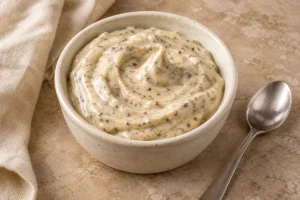
Black Truffle Mayonnaise
Equipment: Digital kitchen scales, mixing bowl, teaspoon, spatula and a clean lidded food container. A thick, creamy black truffle mayonnaise with a savoury mushroom flavour

Equipment: Digital kitchen scales, mixing bowl, teaspoon, spatula and a clean lidded food container. A thick, creamy black truffle mayonnaise with a savoury mushroom flavour
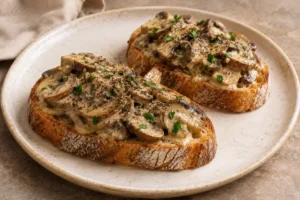
Equipment: Large frying pan, spatula and toaster or grill. Give the mushrooms enough room to brown before adding the cream. Toast the bread towards the
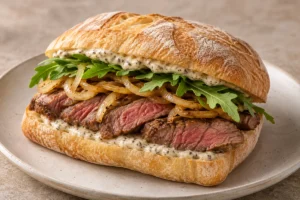
Equipment: Heavy frying pan, tongs, sharp knife, clean board, foil and toaster or grill. Sweet onions can cook while you prepare the bread and truffle
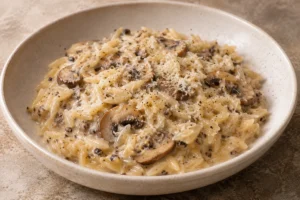
Equipment: Wide saucepan or deep frying pan, measuring jug and wooden spoon. Orzo cooks directly in the stock, giving the dish a creamy texture without
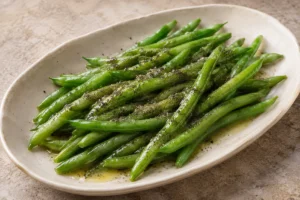
Equipment: Saucepan, colander and serving bowl. Well-drained green beans hold a light butter coating without leaving a puddle in the bowl. Keep a little bite
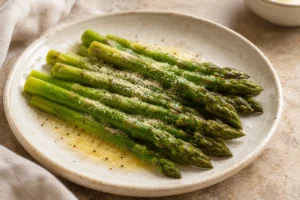
Equipment: Wide saucepan, colander and warm serving plate. Asparagus needs only a few minutes in the pan. Drain it well so the butter clings to
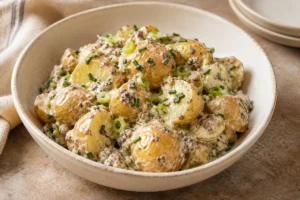
Equipment: Saucepan, colander, mixing bowl and knife. Waxy potatoes keep their shape when folded through this creamy dressing. Let them stop steaming before adding the
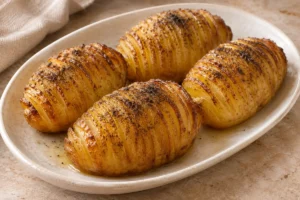
Equipment: Sharp knife, two wooden spoon handles, roasting tin and pastry brush. Closely spaced cuts give these potatoes plenty of crisp edges while keeping the
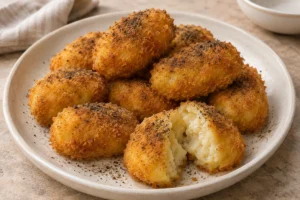
Equipment: Saucepan, colander, potato masher, shallow dishes, baking tray and baking paper. Dry mashed potato makes croquettes that hold their shape. Chill the mixture before
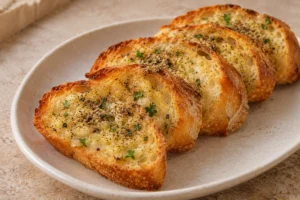
Equipment: Small bowl, bread knife, foil and baking tray. Cutting the baguette almost through lets the garlic butter reach each slice while keeping the loaf
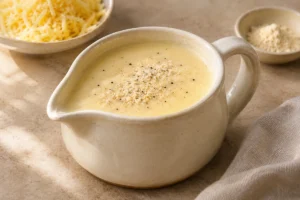
Equipment: Medium saucepan, whisk and measuring jug. A smooth cheese sauce is easier when the milk goes in gradually and the cheese melts off the
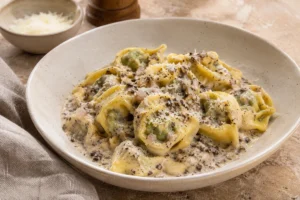
Equipment: Large saucepan, wide frying pan, slotted spoon and measuring jug. Ready-made spinach and ricotta tortellini do most of the work here. Make the cream
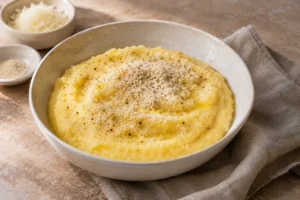
Equipment: Medium saucepan, whisk and wooden spoon. Quick-cook polenta makes a useful alternative to mash. Keep it soft enough to fall slowly from a spoon,
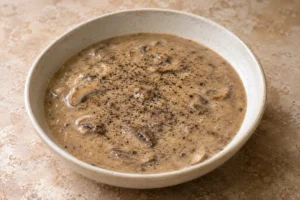
Equipment: Large saucepan, chopping board, knife and stick blender. Brown a portion of the mushrooms before adding the stock to give this soup a fuller
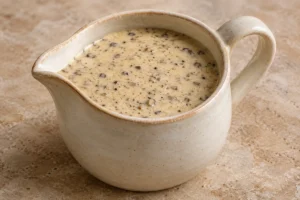
Equipment: Small saucepan, measuring jug, whisk and wooden spoon. This is a standalone sauce for freshly cooked pasta. A little stock keeps the cream from
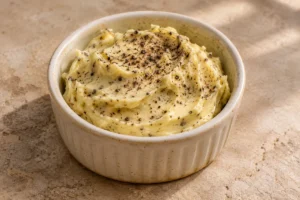
Equipment: Mixing bowl, fork, spatula and small covered dish. A small knob of truffle butter melts neatly over hot vegetables or a grilled steak. Start
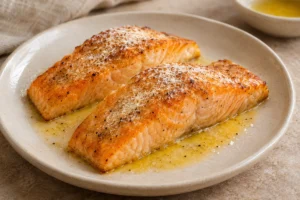
Equipment: Baking tray, baking paper, small saucepan and two warm plates. Bake the salmon while you gently melt the lemon butter. Leaving the fish in
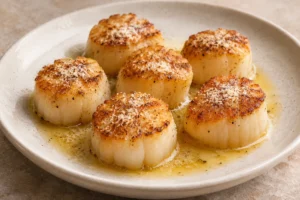
Equipment: Heavy frying pan, tongs, kitchen paper and two warm plates. Dry scallops colour more evenly than wet ones. Use a pan large enough to
Cooking with truffle at home adds distinctive savoury depth to everyday meals and special occasions. This collection brings together practical truffle recipes and cooking ideas for home kitchens, from straightforward sides and midweek pasta to shellfish and slow-cooked meats.
Fresh seasonal truffles can be challenging to source and are best used promptly. Specialist truffle products provide dependable flavour throughout the year, making it easier to prepare a memorable recipe whenever inspiration strikes. Used with care, truffle can remain the star of a dish without overwhelming its other ingredients.
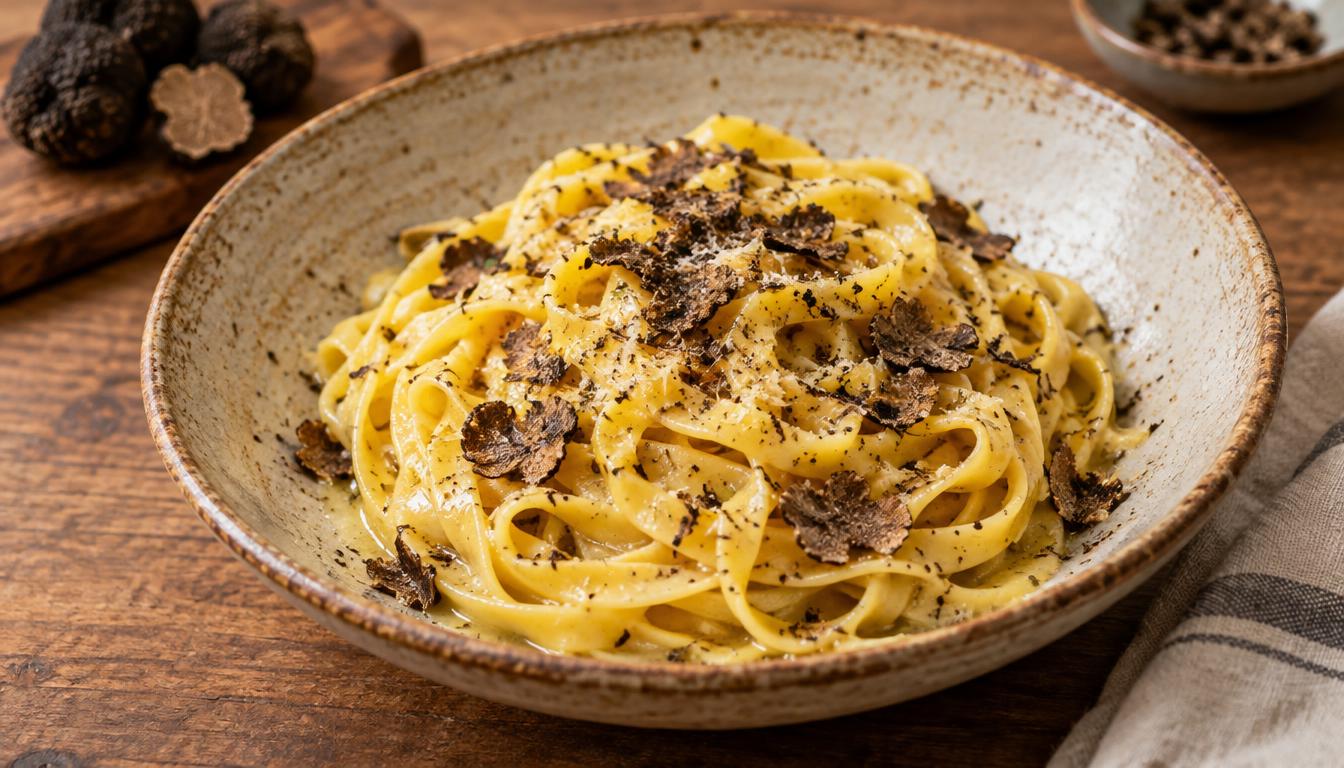
Good cooking with truffle does not require complex restaurant techniques. Many satisfying dishes begin with familiar ingredients such as fresh pasta, eggs, baked potatoes, and pan-fried mushrooms. These dependable foundations allow the aroma to remain clear while keeping the preparation practical for a home kitchen.
Truffles show their earthy character most clearly alongside neutral or gently flavoured ingredients. Limiting strong spices and sharp sauces helps the truffle stay the star of the dish, rather than competing with other flavours.
Potatoes, risotto rice, and fresh pasta provide a starchy base that carries savoury truffle notes across the palate. They are particularly useful starting points for approachable recipes.
For a quick weeknight recipe, split a hot baked potato and add butter and sea salt before finishing with truffle seasoning. Hand-cut chips, or scrambled eggs served on toasted sourdough, offer equally easy ways to enjoy truffles as comforting everyday food.
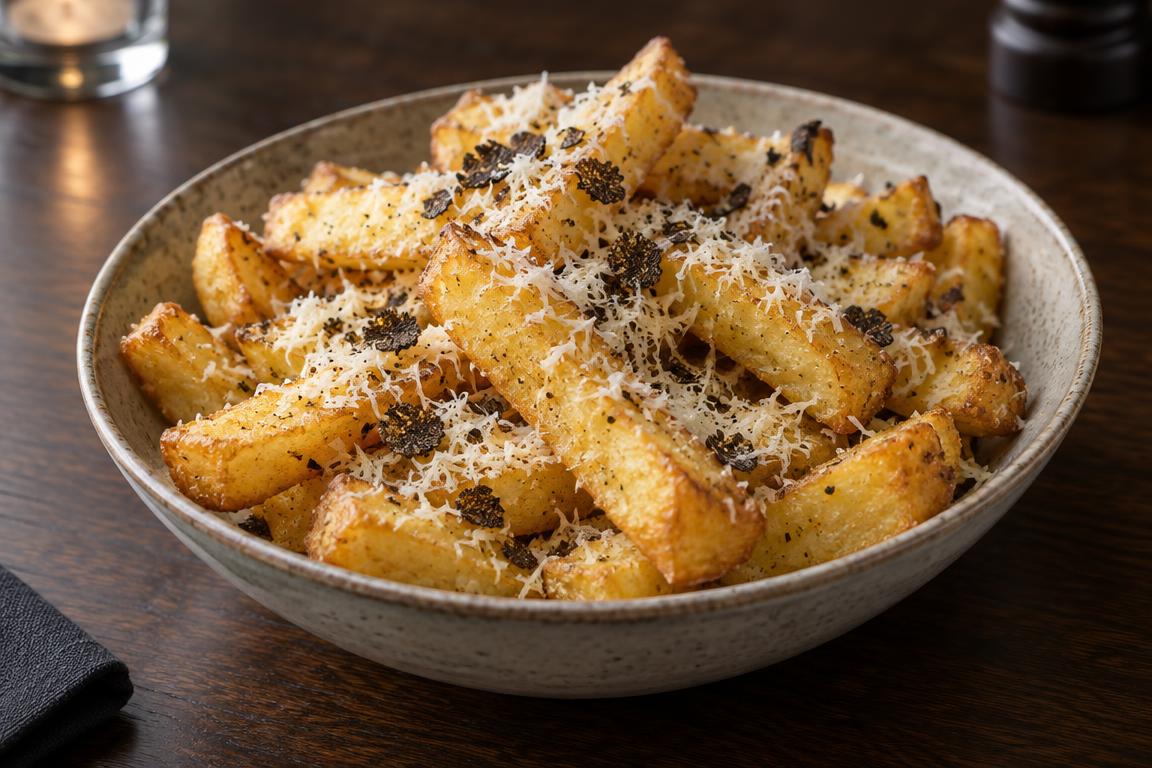
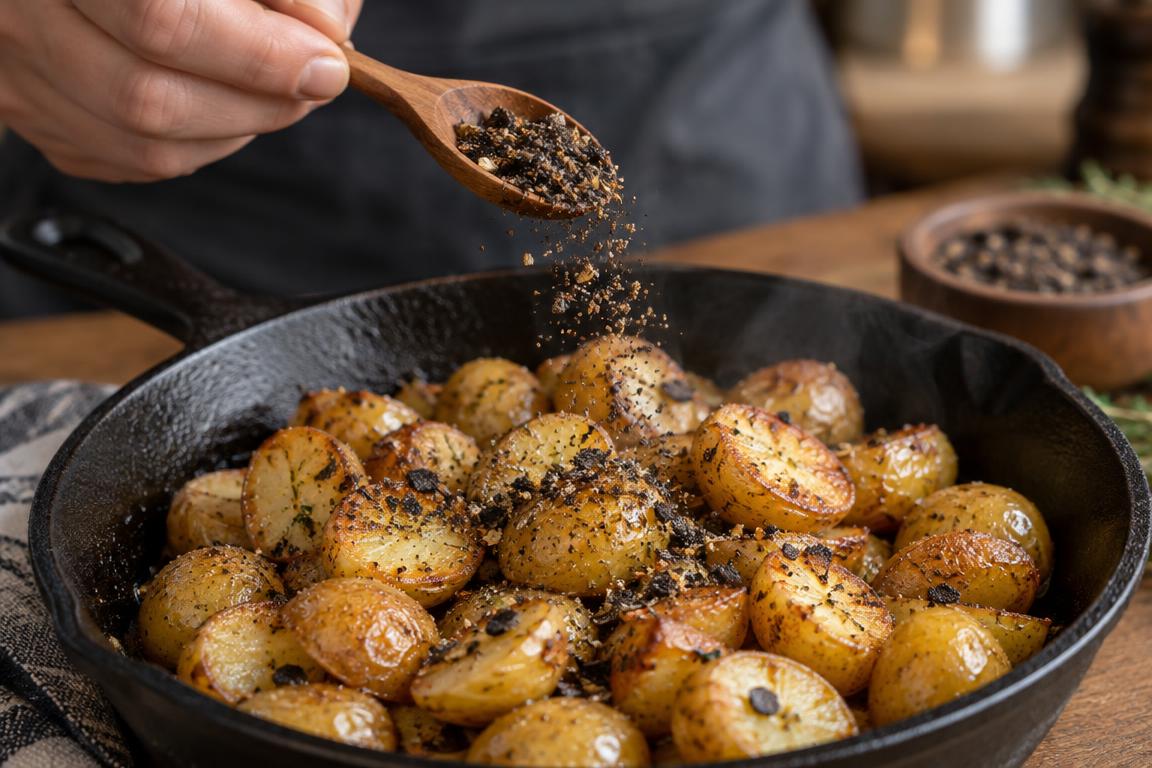
Finely ground seasoning distributes an earthy aroma evenly across dry, crisp foods. Adding Black Truffle Powder introduces concentrated savoury notes without adding moisture or changing the texture of a dish.
Use it mainly as a finishing seasoning. Sprinkling the powder over hot food allows rising steam to release its aroma, while avoiding the intense pan heat that can diminish delicate flavour compounds. This helps the truffles remain the star of the dish.
For sauces and gravies, whisk the powder in gently just before removing the pan from the hob. This finishing step helps preserve its vibrant flavour.
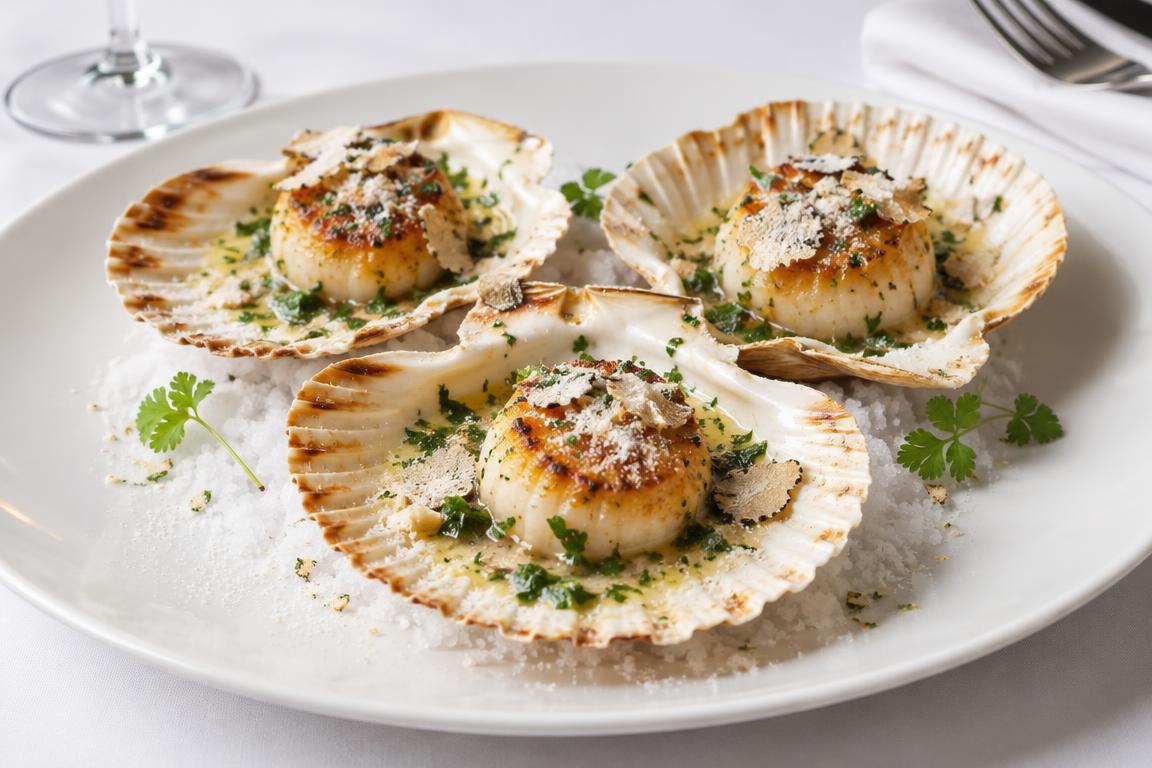
White truffles have a sharper, gently garlicky aroma that works naturally with dairy, poultry, and delicate seafood. Using White Truffle Powder offers a precise way to season lighter recipes with an aromatic lift.
Compared with the deeper profile of darker truffles, white truffle seasoning suits mild, gently sweet ingredients. Sea scallops, butter-basted lobster tails, and king prawns benefit from a light dusting shortly before serving.
White truffle notes remain clear alongside softened leeks, sweet shallots, and fresh ricotta. Heavy dark sauces may overwhelm these more delicate flavours.
Try a pinch on freshly baked white pizza with mozzarella and wild mushrooms, or finish soft polenta, poached eggs, and buttered tagliatelle just before plating. These pairings allow the truffle to remain the star of the recipe.
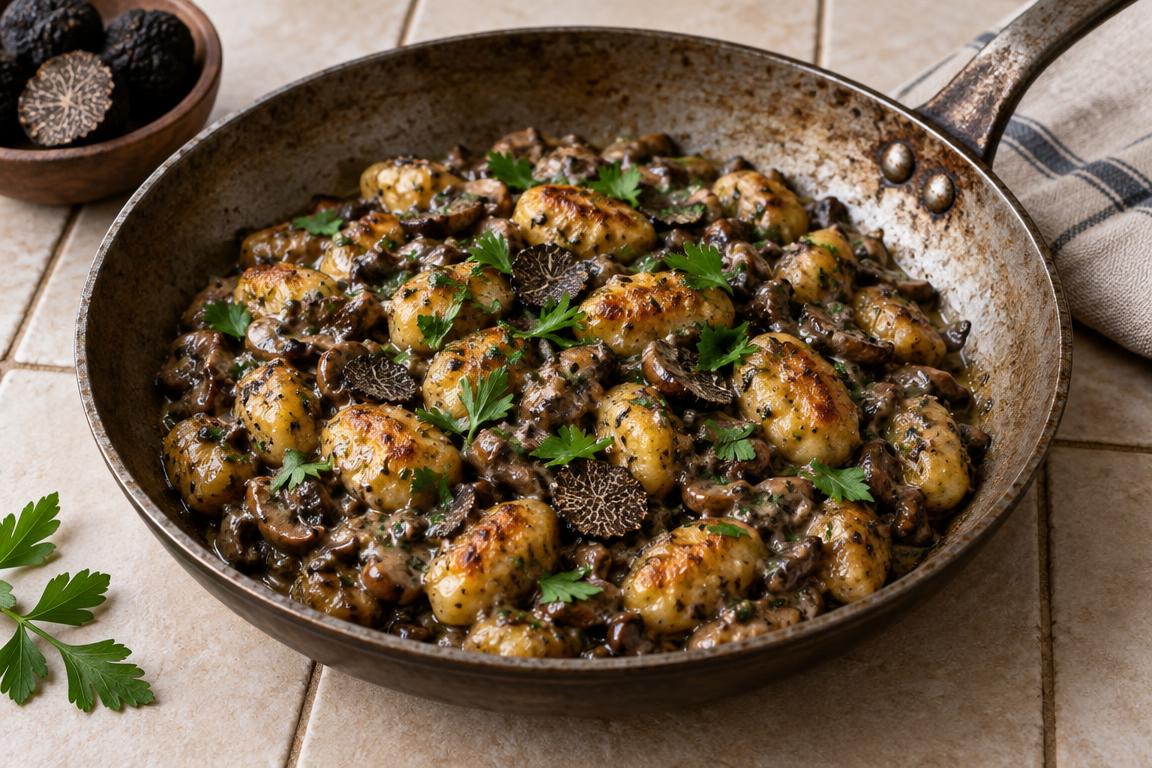
Prepared truffle sauces combine ground summer truffles with mushrooms and olive oil, creating rich texture and immediate depth. Using Black Truffle Sauce provides a convenient base for silky pasta sauces, braises, and warm canapés.
Its oil-and-mushroom emulsion helps the sauce blend smoothly into warm dishes. Stir two spoonfuls into warm pasta with a splash of reserved cooking water to create a glossy coating in seconds.
Fold through warm gnocchi, stuffed ravioli, or fresh egg noodles with butter and grated cheese for a rich dinner.
Spread over warm country bread with melted fontina, soft goat’s cheese, or sautéed wild field mushrooms.
Spoon over pan-roasted chicken breasts or stir through creamy pan juices to accompany seared steaks.
The sauce also brings depth to warm mashed potatoes and creamy polenta, or can be blended with mayonnaise to make a dip for crisp chips.
Understanding flavour pairing makes truffle recipes easier to approach. Fats, starches, and savoury umami flavours provide a supportive setting in which truffle aromas can develop clearly.
Butter, double cream, and soft cheese help carry aroma through a dish, while Parmesan and Pecorino add salty umami depth. These pairings can complement both black and white truffles, although the best choice depends on the variety and the character of the recipe.
| Ingredient | Role in Dish | Why the Pairing Works |
| Butter | Fat base | Carries aroma across the tongue and softens earthy intensity |
| Parmesan | Savoury accent | Adds salty umami depth that highlights woodland flavours |
| Mushrooms | Vegetable base | Shares natural fungi characteristics without fighting for dominance |
| Potatoes | Starch anchor | Provides neutral substance that lets aromatic truffle shine |
| Shellfish | Protein core | Natural sweetness of lobster and scallops balances savoury notes |
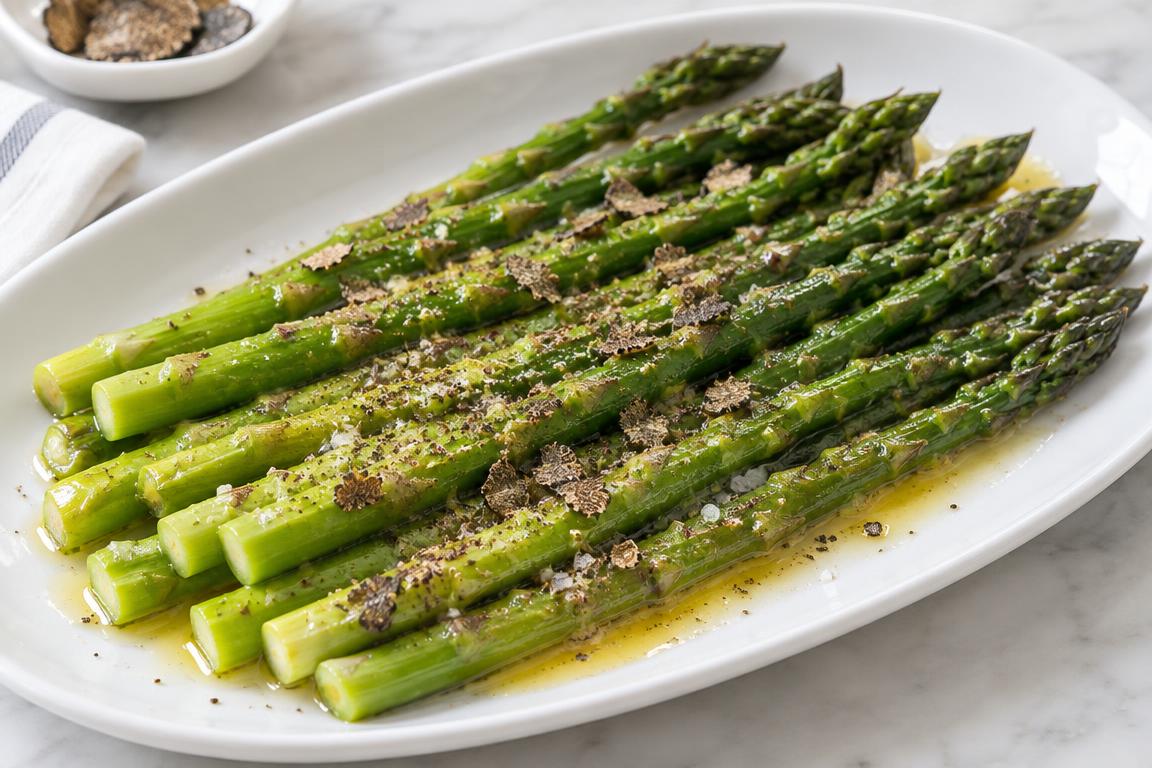
As a general guide, avoid heavily spiced rubs, sharp vinegars, and strongly flavoured raw brassicas. Butter lettuce, steamed asparagus, and baby spinach offer fresher, gentler contrasts, allowing the truffle to remain the star.
Concentrated truffle products respond best to careful seasoning, gentle heat, and good timing. These practical habits help preserve a clean aroma and balanced flavour.