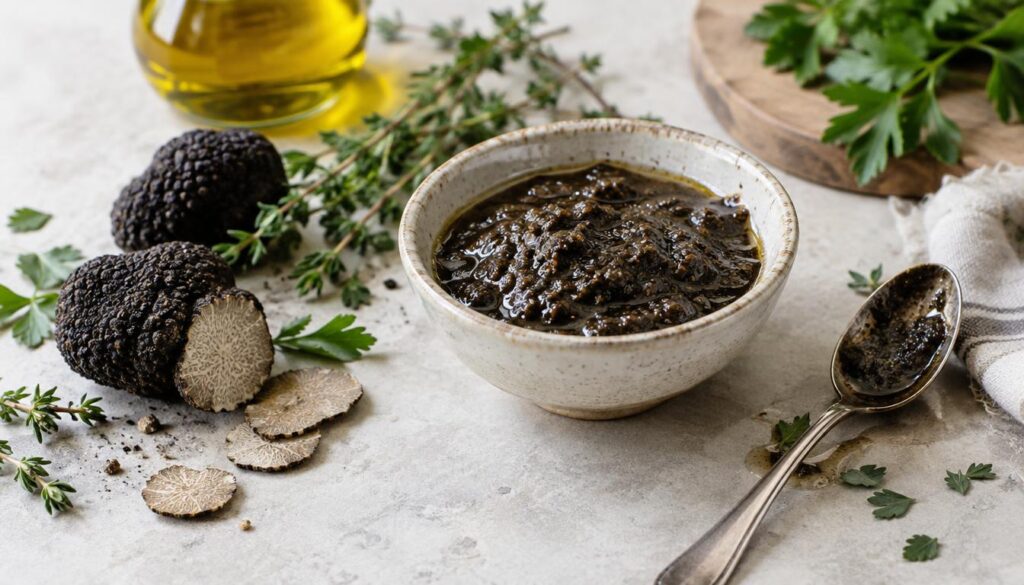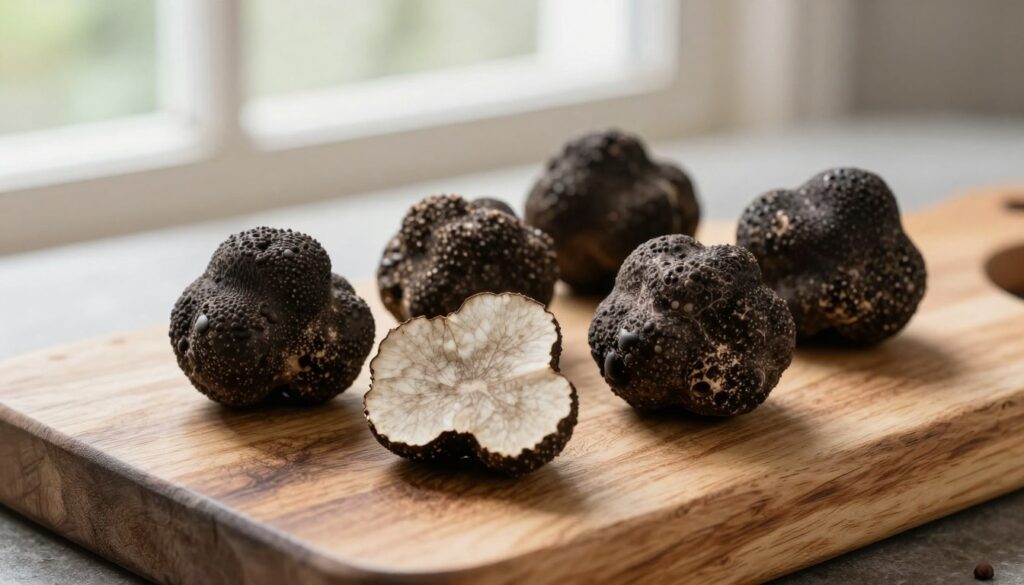
The world of luxury ingredients includes few items as enigmatic and coveted as the truffle. These subterranean fungi regularly command prices running into thousands of pounds per kilogram, reflecting a combination of biological rarity, seasonal constraints and high culinary demand.
For centuries truffles have entranced gastronomes and chefs across Europe and beyond; their distinctive aroma and complex flavour make them prized in fine cooking. Still, many food enthusiasts ask the same practical question: why are truffles so expensive?
This article explores the principal reasons behind truffle pricing and offers practical alternatives that make the truffle experience more accessible. From cultivation and harvest to market dynamics and culinary use, the aim is to explain the facts clearly and help readers make informed choices.
The Fundamental Scarcity Driving Truffle Prices
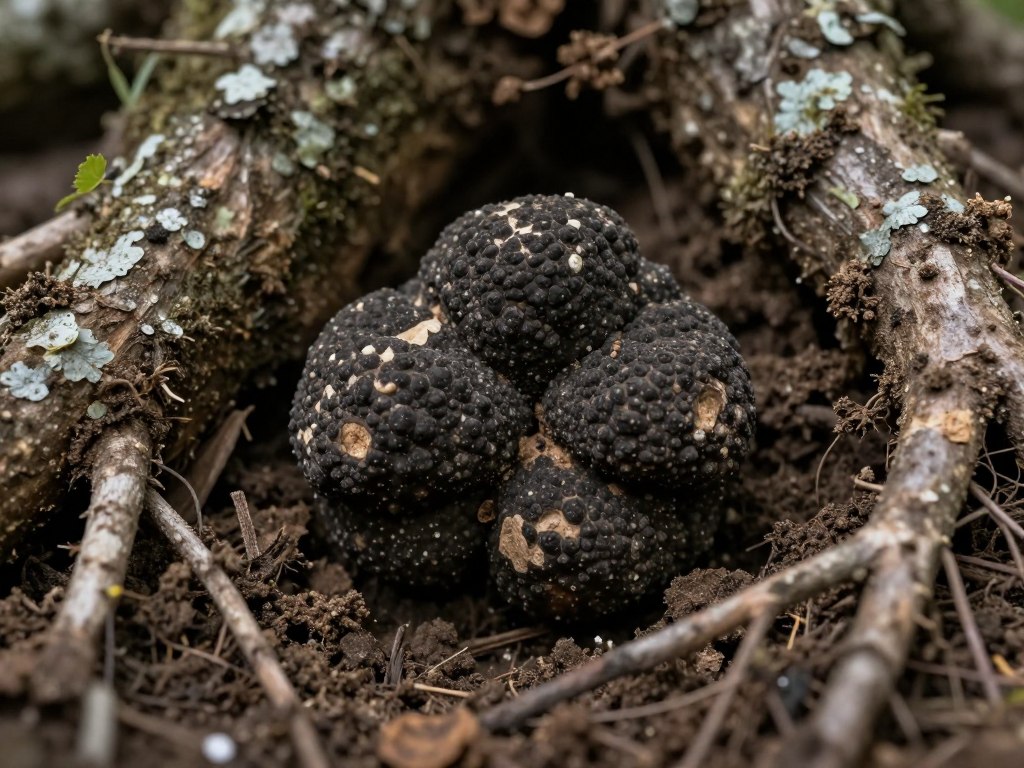
Truffles present one of nature’s most persistent agricultural challenges. Unlike conventional crops, they develop underground in close symbiosis with particular trees, which immediately restricts the environments where they can flourish.
Species differences heavily influence rarity and market value. White alba truffles from Northern Italy remain the most prized and can command very high prices (reported ranges often run into the low thousands of pounds per kilogram), while black summer truffles are generally more accessible but still require precise conditions to prosper.
Climate and soil are decisive. Truffles need narrowly defined temperature ranges, appropriate soil composition and the right moisture balance; a single poor season of weather can severely reduce yields and push prices higher. These sensitivities explain much of why truffles are expensive and why annual supply can vary markedly.
The tree–fungus partnership also takes time to establish. Host trees such as oak and hazel must reach maturity before reliably producing truffles, and inoculated orchards often take several years to show results. This lengthy development period — in practical terms a multi‑year or even decade‑long investment — further constrains supply and affects quality expectations for growers and buyers alike.
The Specialised Art of Truffle Hunting

Traditional Detection Methods
Locating truffles beneath the soil requires specialist skill and trained assistance. For generations, hunters have relied on dogs to detect the distinctive subterranean scent these fungi emit. The Lagotto Romagnolo is widely associated with truffle work, though other breeds can learn the task through careful, patient training.
Truffle hunting is neither mechanisable nor hurried. Dogs and handlers move methodically across suitable ground while experienced hunters read subtle signs that suggest proximity to a find. Some days yield generous harvests; others produce nothing — a reality that adds unpredictability to supply.
Expertise goes beyond following a dog. Knowledge of optimal harvest timing, sustainable collection and the precise habitats preferred by different species is essential. Much of this insight is handed down within families or specialist communities, reinforcing the craft’s specialist and local nature.
Seasonal Windows and Peak Quality
Truffles appear only in defined seasonal windows, which further limits availability. White truffles typically surface in autumn and early winter, while black varieties have other peak periods (for example, summer species appear at different times). Missing the ideal harvest window usually means waiting a year for the next opportunity.
Timing affects both quantity and quality. Truffles gathered at their peak deliver the most intense aroma and flavour; those collected prematurely or after peak command lower prices. This creates strong incentives to harvest at precisely the right moment.
Weather during the season has an immediate effect on yields. Heavy rain, prolonged drought, or sudden temperature extremes in crucial weeks can reduce both the number and quality of truffles, explaining why year‑to‑year price variations are common.
Global Demand Meeting Limited Supply
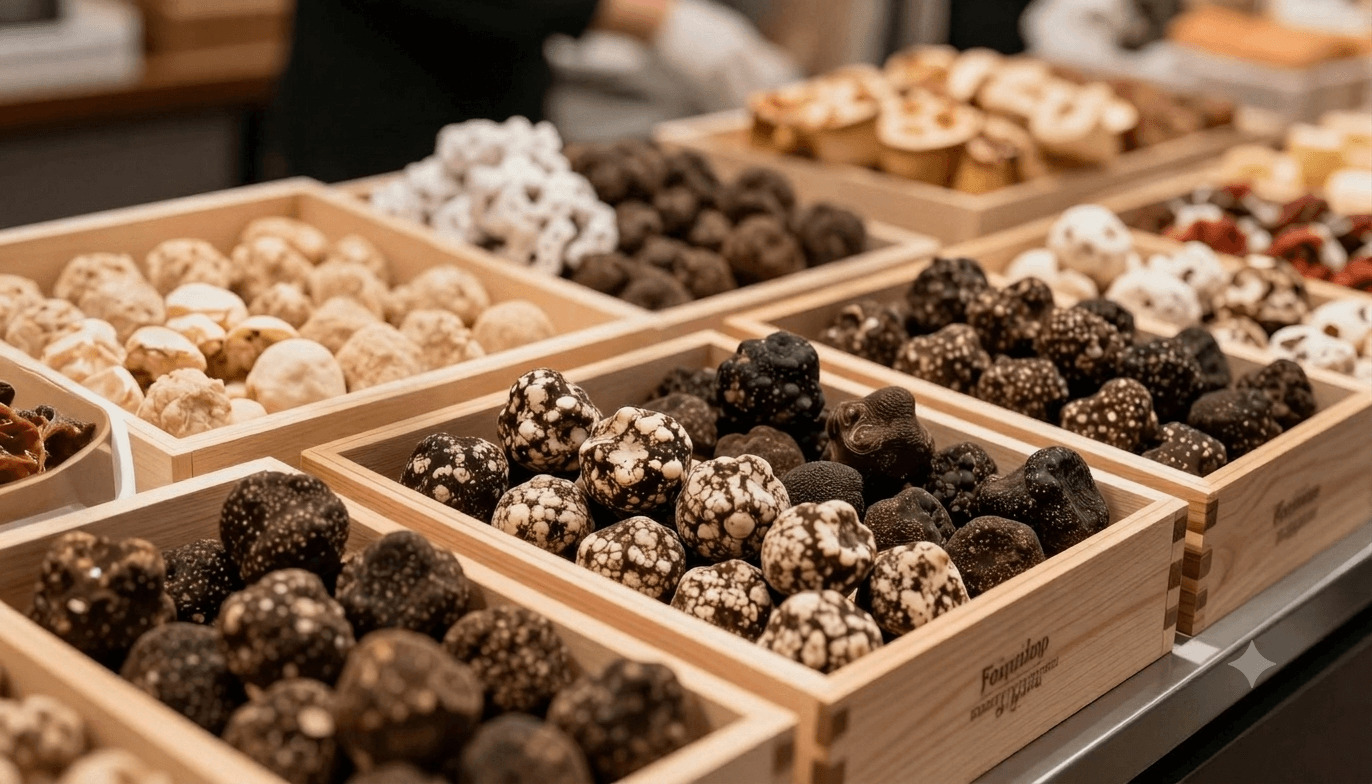
The restaurant sector is a major driver of demand for fresh truffle. Michelin‑starred kitchens and high‑end restaurants across the world compete for limited harvests, especially during peak season, which pushes wholesale prices up before products even reach shops.
Rising affluence in many regions has also broadened the customer base. Emerging culinary centres increasingly seek luxury ingredients, adding pressure to an already constrained supply and reinforcing truffle’s image as a symbol of gastronomic prestige.
This cultural prestige translates into tangible price premiums. Truffle‑led dishes signal exclusivity and refinement, encouraging restaurateurs and retailers to add markups that reflect both scarcity and the perceived value of the dining experience.
The Distribution Challenge
Fresh truffle begins to lose volatile scent compounds within days of harvest, which shortens usable life and forces rapid movement from field to plate. That perishability creates clear logistical overheads that factor into final price.
Maintaining quality in transit requires strict temperature control, careful packing and rapid delivery; any lapse increases the risk of spoilage and waste, costs that suppliers commonly pass on to buyers. International shipping amplifies these expenses, with air freight, refrigerated handling and specialist packaging adding materially to cost.
In short, strong demand combined with fragile supply and significant distribution costs helps explain why truffles command such high prices and why annual price fluctuations are common.
The Hidden Costs of Fresh Truffle Ownership
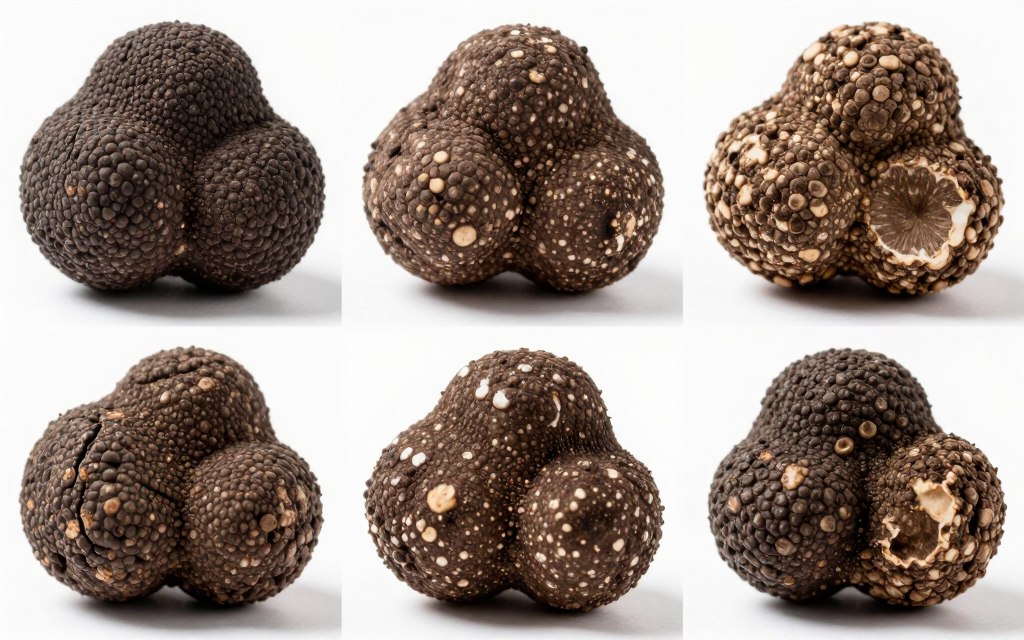
Buying fresh truffles is only the first cost; their value declines quickly after harvest. These fungi lose moisture and weight day by day, even under ideal refrigeration, so the effective cost per usable amount rises the longer they are held.
Practical lifespan is short — typically measured in days rather than weeks — which places pressure on home cooks to use purchases promptly or accept waste. Professional kitchens can deploy larger quantities more rapidly, but even they must manage stock tightly to preserve peak aroma and quality.
Fresh truffle also usually needs a fat‑rich carrier to show its full character. Used alone, the flavour can seem muted; butter, oil, eggs, cream or cheese help dissolve and distribute the volatile aromatic compounds, turning small amounts into perceivable impact. This requirement adds ingredient cost and affects how truffles are used in dishes.
Storage and Handling Requirements
Proper storage follows a few specific rules. Truffles should be kept cool but not frozen, commonly wrapped in absorbent paper that is changed daily to control moisture. Contrary to popular belief, storing truffles with rice may draw moisture from the fungi and accelerate deterioration.
Their powerful scent readily transfers to other foods in a shared refrigerator. While that can be desirable for eggs, it is often unwelcome for other items, so dedicated storage is advisable where possible — a further practical inconvenience and cost.
Even experienced cooks sometimes find usage techniques challenging. Knowing when to shave, when to infuse and how much to add requires judgement; over‑use rarely improves a dish and can waste valuable product. Conservative portions, timed additions at the end of cooking and compatible carriers help preserve aroma and get the best results from fresh truffle.
Discover a Practical Alternative to Fresh Truffle
While fresh truffles present substantial challenges and cost, modern preservation techniques offer refined solutions. Our artisan truffle powders capture authentic flavour, remove concerns about waste and storage, and avoid the premium that comes with perishable fresh product. Handcrafted in small batches using traditional Italian methods, these powders deliver reliable quality year‑round.
Why Truffle Farming Remains Extraordinarily Difficult
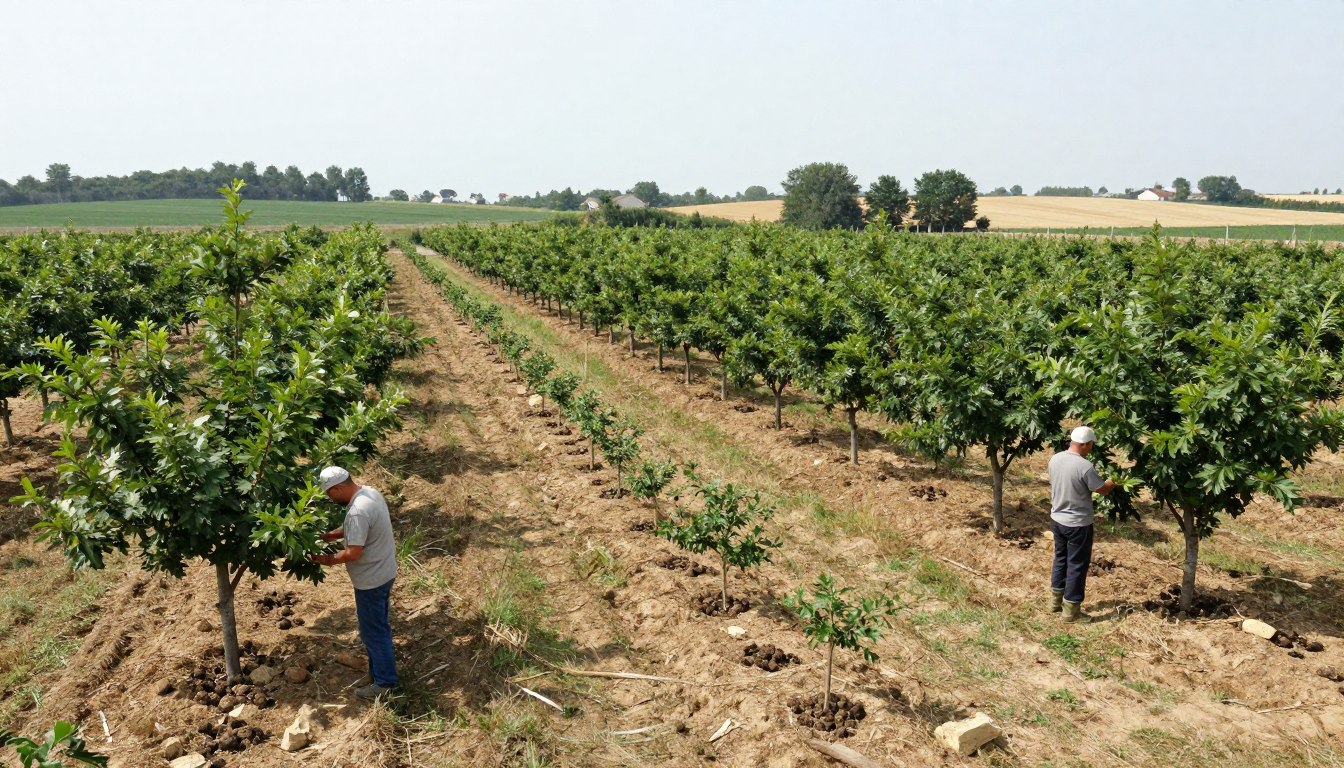
Decades of agricultural research have aimed to domesticate truffle production, and while inoculating saplings with truffle spores has shown promise, results remain inconsistent. Even carefully managed orchards frequently produce unpredictable yields compared with conventional crops.
Truffle projects take years before offering any return. Trees typically require several years — commonly five to seven — to reach the maturity needed for fungal formation, and many planted orchards never achieve commercially viable harvests despite attentive care.
Soil and subterranean conditions matter intensely. pH, mineral balance, drainage and the native microbial community all influence development; replicating the ideal natural ecology is far more complex than managing surface crops, even with modern agronomy.
Climate Uncertainty and Long-Term Risks
Climate variability has a marked effect on both wild and cultivated production. Temperature extremes, altered rainfall patterns and shifting seasons can all reduce yields or change timing, and recent fluctuating harvests in traditional regions reflect these pressures.
Investment in truffle orchards therefore carries notable risk. The multi‑year lead time combined with yield uncertainty makes financing and planning difficult. Unlike annual crops, truffle cultivation offers limited flexibility to respond quickly to market signals.
Wild harvests remain an important factor for supply and market perception. Natural truffles often command premium prices for perceived quality, which can limit the commercial success of farmed varieties despite the latter’s potential to provide more reliable volumes.
Fresh Truffle Versus Preserved Alternatives: An Honest Assessment
Fresh Truffle Characteristics
Fresh specimens deliver the most vivid sensory experience when used at peak quality. Their aroma is at its most potent shortly after harvest, producing an immediate and memorable impact that top restaurants prize for signature dishes.
The ritual of shaving fresh truffle at the table adds to the luxury: visual theatre and freshness both contribute to perceived value in fine dining. Seasonal availability further reinforces exclusivity, as many dishes appear on menus only during particular months.
For these reasons chefs and collectors often prefer fresh truffles where presentation and momentary intensity matter most.
- Maximum aroma intensity when perfectly fresh
- Visual appeal for tableside presentation
- Seasonal exclusivity and special occasion status
- Perceived authenticity in traditional applications
Preserved Truffle Solutions
Modern preservation techniques, especially freeze‑drying, now capture truffle essence with notable fidelity. By concentrating flavour while removing moisture, these methods create shelf‑stable products that retain quality for months or years rather than days.
Year‑round availability changes how cooks approach truffle in the kitchen. No longer constrained by season, both home cooks and professionals can add truffle flavour to a wide range of dishes whenever required, democratising access to this luxury ingredient.
Preserved products also offer consistent potency: measured amounts yield predictable intensity, which is particularly useful for recipe development and commercial food production.
- Extended shelf life of 1–2 years with stable quality
- Concentrated flavour requiring minimal quantity
- Year‑round availability independent of harvest
- Elimination of waste from rapid deterioration
The Economics of Practical Usage
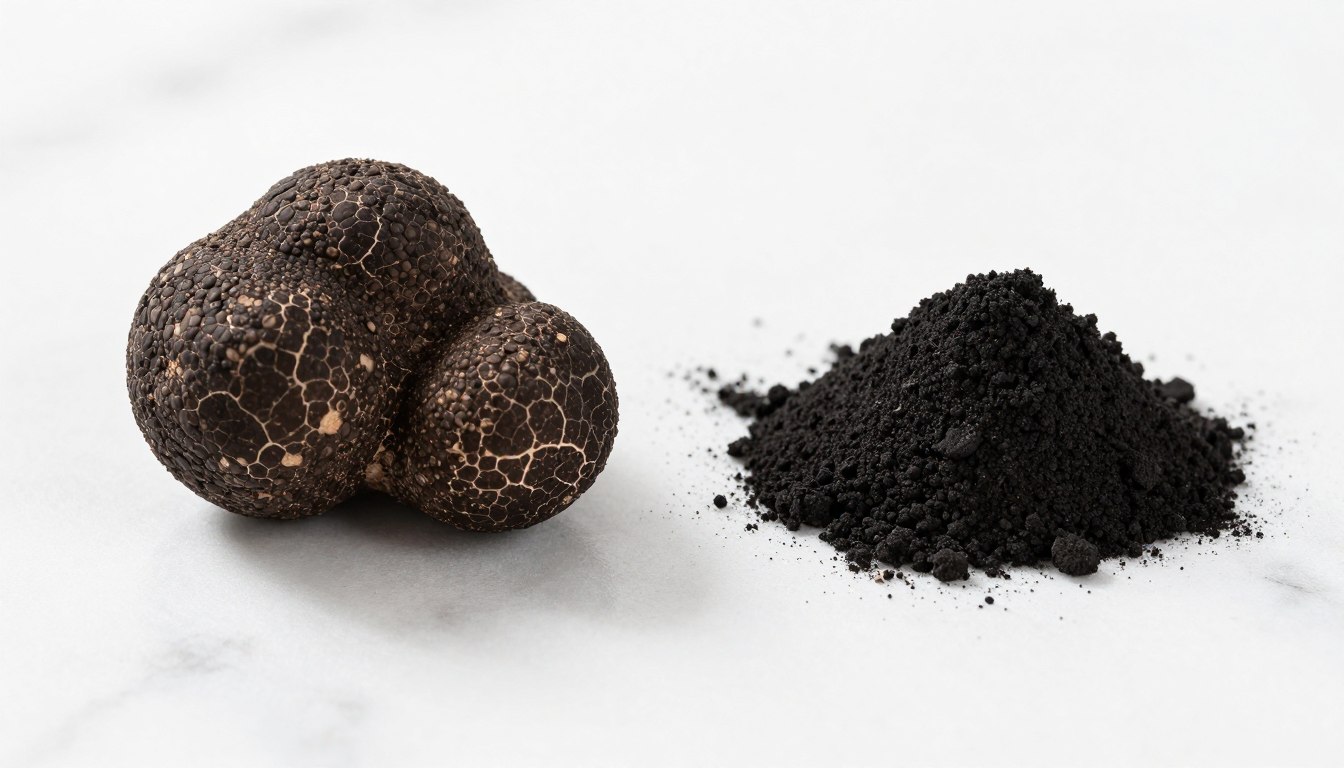
When comparing usable product, the economics can be striking. Fresh truffle bought at premium prices (for example, a high price per 100 grams) loses weight and potency over days, increasing the effective price per usable gram. That decay is a key reason many cooks find preserved options attractive for regular use.
Preserved alternatives maintain consistent value from first use to last. A well‑made freeze‑dried product can supply the equivalent flavouring capacity to a much larger quantity of fresh truffle at a fraction of the ongoing cost, making it compelling for everyday dishes such as risotto, pasta, sauces and integrated preparations.
Professional kitchens often combine approaches: preserved products deliver reliable flavour in dishes where appearance matters less, while fresh truffles are reserved for plated presentations or tasting experiences. In both contexts, carriers such as butter, oil or eggs remain important to distribute aroma and taste effectively.
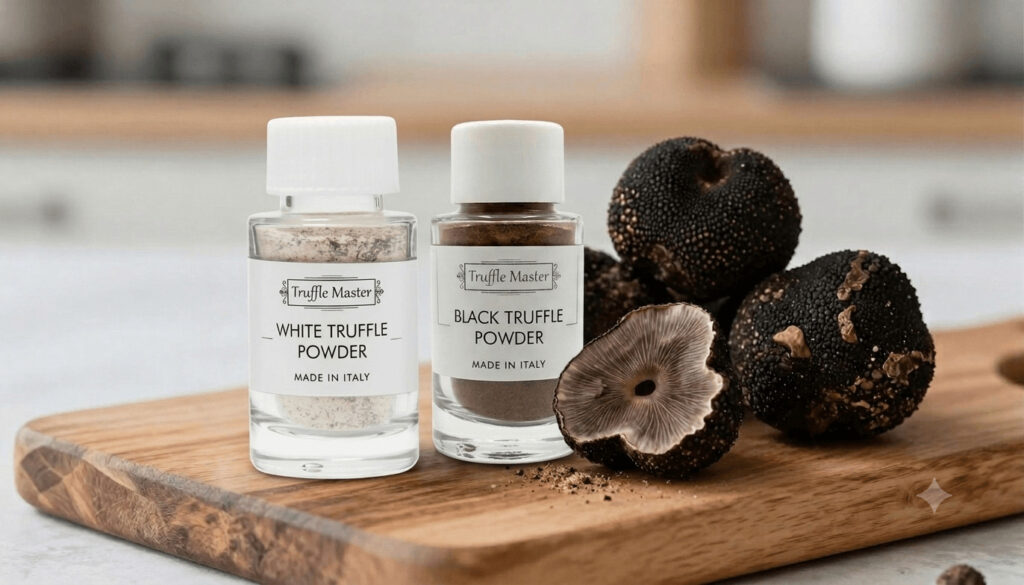
Black Truffle Powder
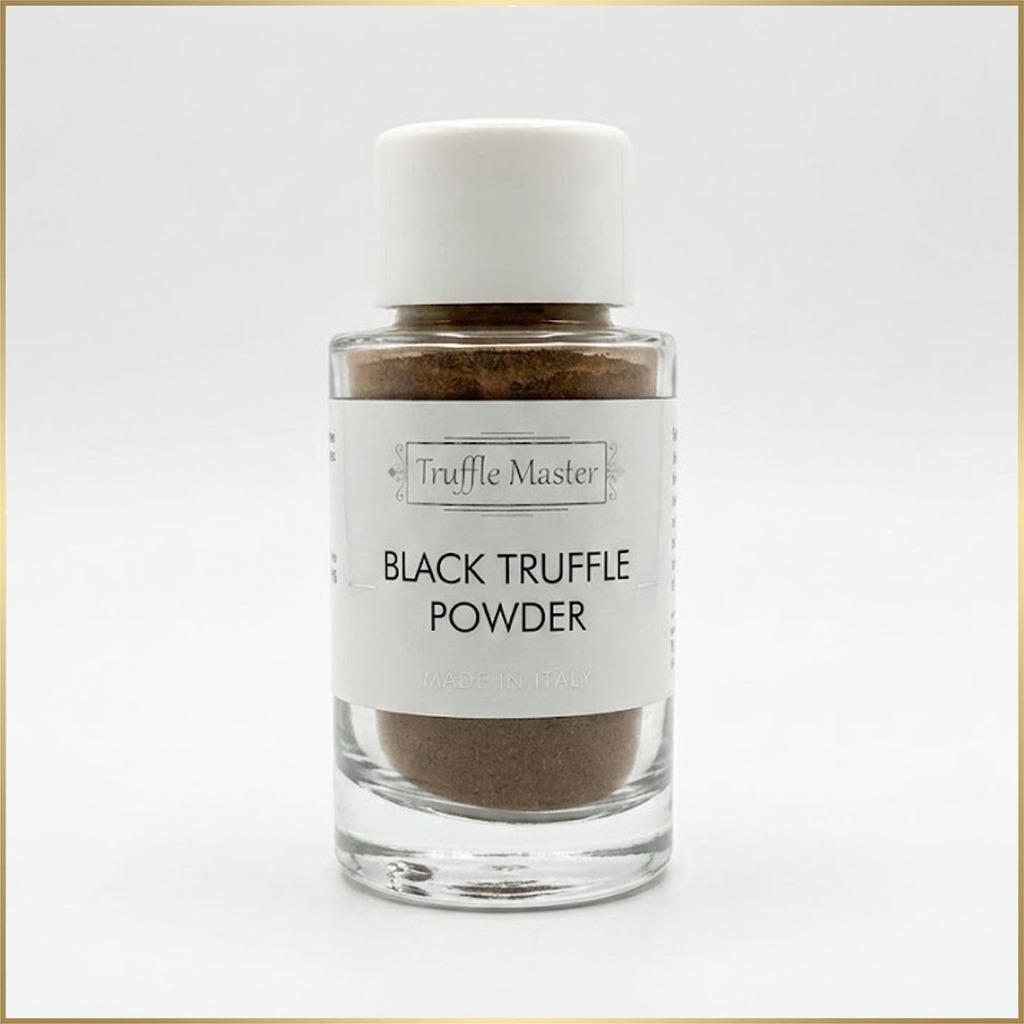
Handcrafted in Perugia, Italy and finished in the United Kingdom, this powder delivers a rich, concentrated umami character. Made with 3% fresh black summer truffle (equivalent to 15% after freeze‑drying), a small pinch provides notable depth of flavour without the waste or storage demands of fresh truffles.
The concentration means minimal amounts achieve maximum impact. Unlike fresh truffle, which often needs generous quantity and a fat carrier, this powder integrates easily into a variety of dishes — sprinkle over eggs, fold into butter, finish pasta or enrich risotto for consistent, reliable results.
With a shelf life of 1–2 years when stored correctly, the product removes the pressure to use immediately and avoids the rapid deterioration experienced by fresh truffles. That stability represents genuine value for cooks seeking dependable truffle flavour.
- Handcrafted in small batches for quality control
- 15% truffle content after freeze-drying process
- Suitable for vegetarians and vegans
- Available year-round regardless of season
- Exported to over 32 countries worldwide
White Truffle Powder
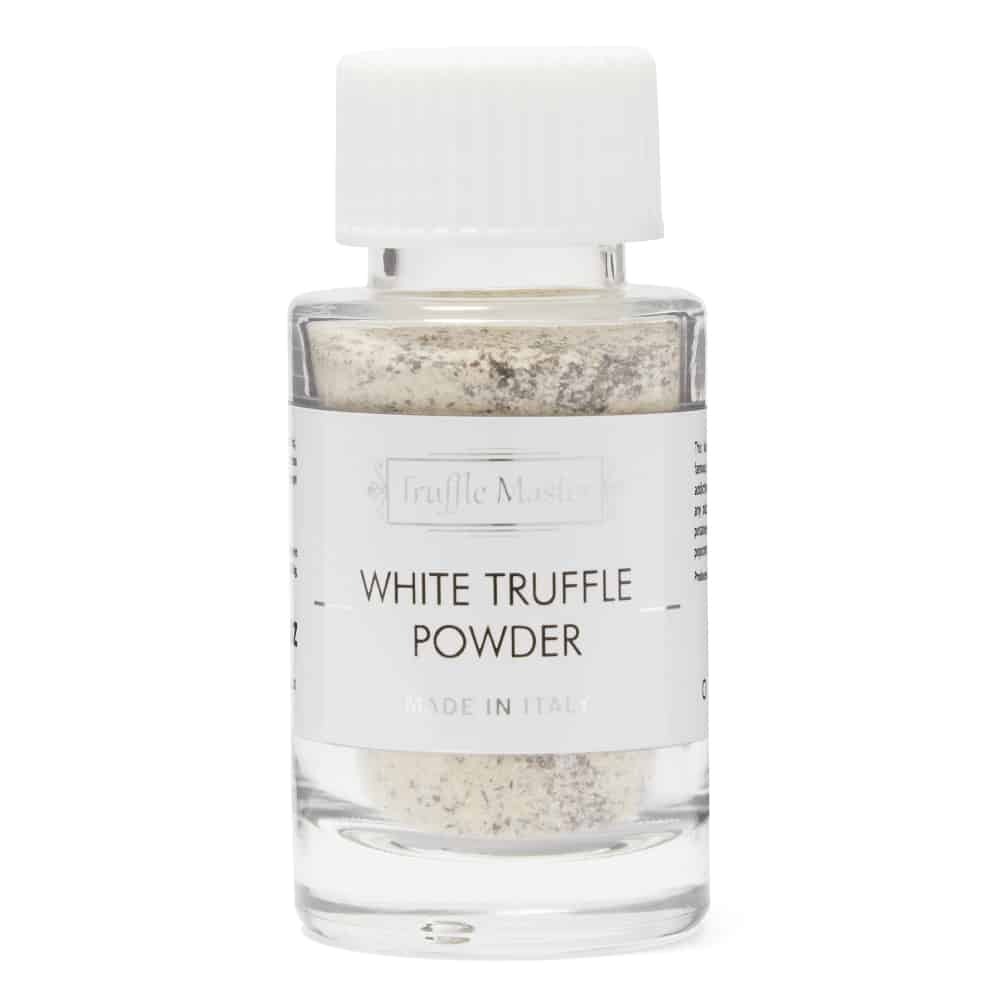
Sourced from Northern Italy and finished in the UK, this premium powder captures the essence of white alba truffle — the most sought‑after species in the world. With 3% fresh white alba content (concentrated to 15% after freeze‑drying), it offers exceptional value in comparison to fresh white truffles, which can command very high prices per kilogram.
The smooth, silky texture and nuanced aroma distinguish this product from inferior alternatives that use minimal real truffle and rely on fillers. Enthusiasts note the difference immediately in both aroma complexity and depth of flavour.
Portability is another practical advantage: small containers are easy to carry and use to finish dishes when dining out, a flexibility impossible with fresh truffles that require refrigeration and rapid consumption.
- Contains precious white alba truffle essence
- Smooth, silky texture with authentic taste
- Fraction of fresh white truffle cost
- Portable for use anywhere inspiration strikes
- International availability across 32 countries
Incorporating Truffle Into Modern Cooking
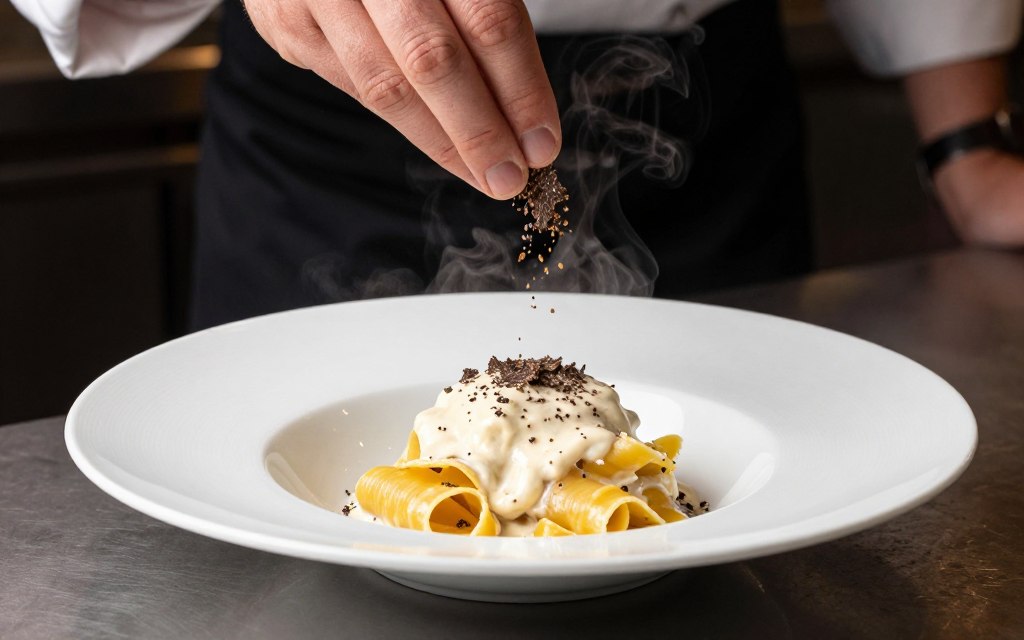
Traditional preparations favour restraint so truffle aroma can take centre stage. Pasta with butter and truffle is a classic example: the fat carries and amplifies the distinctive scent. Risotto functions similarly, where cream and cheese help distribute flavour evenly across the dish.
Eggs are among the most sympathetic partners for truffle. Their mild taste and creamy texture showcase truffle character without competing; a light shave over scrambled eggs, an omelette or a fried egg transforms the plate even with a small amount.
Contemporary cooks also use truffle more adventurously. It can enrich soups, deepen sauces, elevate vegetables or appear in unexpected contexts such as popcorn seasoning. The guiding principle remains the same: treat truffle as an accent, not the primary ingredient.
Professional Techniques for Home Cooks
Temperature control is crucial to preserve volatile aromatic compounds. Add truffle—fresh or preserved—at the final moment before serving so heat does not drive away delicate scents; this applies equally to powders and fresh shavings.
Portion control matters. More is rarely better: begin with conservative amounts and increase gradually to avoid overpowering the dish and to prevent waste. Truffle should enhance and intrigue rather than dominate.
Pairings influence perception significantly. Mild bases such as potato, cream, butter, soft cheese and eggs provide ideal canvases, while highly acidic, spicy or strongly seasoned preparations can mask truffle taste. For many applications, a touch of neutral oil or a little butter will help distribute aroma and produce a balanced result.
Common Questions About Truffle Pricing and Usage
Why do fresh truffles cost significantly more than preserved alternatives?
Fresh truffles attract premium prices because they are highly perishable, appear only in season and require labour‑intensive harvesting. Peak quality lasts only a few days, and daily moisture and weight loss create inherent waste. Specialised transport and refrigeration add further cost, whereas preserved products remove these factors and concentrate flavour, often delivering comparable impact at a lower ongoing expense.
How does truffle powder compare in potency to fresh truffle?
Good‑quality truffle powder is highly concentrated by weight. Freeze‑drying preserves aromatic compounds while removing moisture, so a modest percentage of real truffle can yield intense flavour. A small pinch of premium powder often matches the flavouring power of a substantially larger fresh amount, making it efficient for everyday cooking.
What makes white alba truffles particularly expensive?
White alba truffles are among the rarest and most aromatic species, found in limited regions of Italy during a brief autumn–winter window. Their complex scent profile and limited supply create intense demand from collectors and elite restaurants, which is reflected in very high market prices.
Can truffle be enjoyed year-round despite seasonal harvests?
Fresh truffle remains seasonal, but preserved alternatives enable year‑round enjoyment. Quality powders retain stable flavour profiles regardless of harvest timing, allowing enthusiasts to include truffle in cooking without being bound by season or paying off‑season premiums.
Why does fresh truffle require carrier ingredients to taste optimal?
Truffle aroma depends on volatile compounds that dissolve well in fat. Used alone, truffle can taste muted; fats such as butter, oil, cream or egg help distribute aromatic molecules across a dish, enhancing perception. This is why many classic truffle preparations pair the fungi with buttery or creamy elements.
How long do preserved truffle products maintain quality?
Premium freeze‑dried truffle powders typically retain potency for 1–2 years when stored in cool, dry conditions. Unlike fresh specimens that deteriorate within days, preserved products maintain consistent aroma and flavour from first use to last, removing the pressure to consume immediately.
What distinguishes quality truffle powder from inferior products?
Authentic truffle content is the key difference. Quality powders contain meaningful amounts of real truffle rather than minimal fractions padded with fillers or artificial flavourings. This yields greater aroma complexity and taste authenticity that discerning cooks immediately notice.
Are truffle products suitable for vegetarian and vegan diets?
Truffles are fungi and therefore suitable for plant‑based diets. Truffle powders composed solely of freeze‑dried truffle (without animal‑derived additives) meet vegetarian and vegan requirements while delivering genuine truffle flavour.
Making Informed Choices About Luxury Ingredients
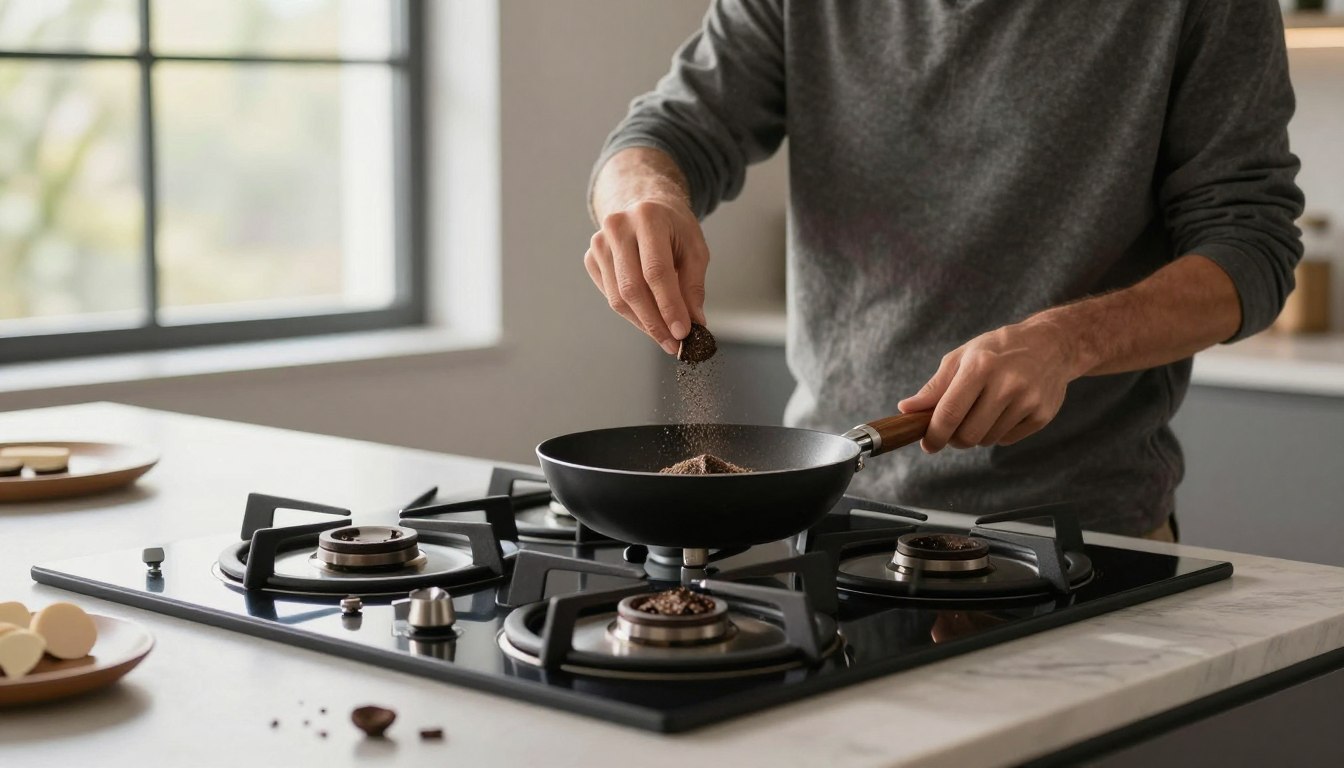
Understanding the factors that make truffles expensive helps when choosing how to use them in cooking. Biological constraints, specialised harvest practices, limited supply and strong global demand all combine to produce prices that reflect genuine scarcity.
Fresh truffles retain unique appeal for special occasions and presentations where aroma, ritual and visual theatre matter. At their seasonal peak, fresh specimens remain unrivalled for immediacy and sensory impact.
For regular use, preserved alternatives are increasingly practical. By eliminating rapid deterioration and waste, and by offering consistent quality and year‑round availability, freeze‑dried powders bring authentic truffle flavour into everyday dishes without the premium attached to perishable fresh product.
The choice need not be either/or. Many enthusiasts combine both approaches — using preserved products for routine enhancement and reserving fresh truffles for moments when their singular qualities are essential. This balanced strategy maximises both value and enjoyment.
Quality should guide every purchase. Whether choosing fresh truffle or a preserved product, genuine truffle content and careful production separate worthwhile ingredients from disappointing imitations. Prioritising authenticity over marketing ensures the most satisfying culinary experience.
Accessible, well‑made truffle powders have broadened who can enjoy these flavours. Home cooks across the United Kingdom and beyond now incorporate truffle into everyday cooking, elevating simple dishes into memorable experiences without extraordinary expense.
Experience Authentic Truffle Quality Today
Products are crafted using time‑honoured Italian techniques and carefully selected ingredients to deliver consistent, concentrated flavour that makes truffle accessible for everyday cooking. With international shipping to over 32 countries and shelf life measured in years rather than days, these offerings represent genuine value for anyone who values premium ingredients. Whether discovering truffle for the first time or seeking dependable alternatives to costly fresh specimens, these handcrafted selections offer authentic taste without compromise.
 Truffle Master