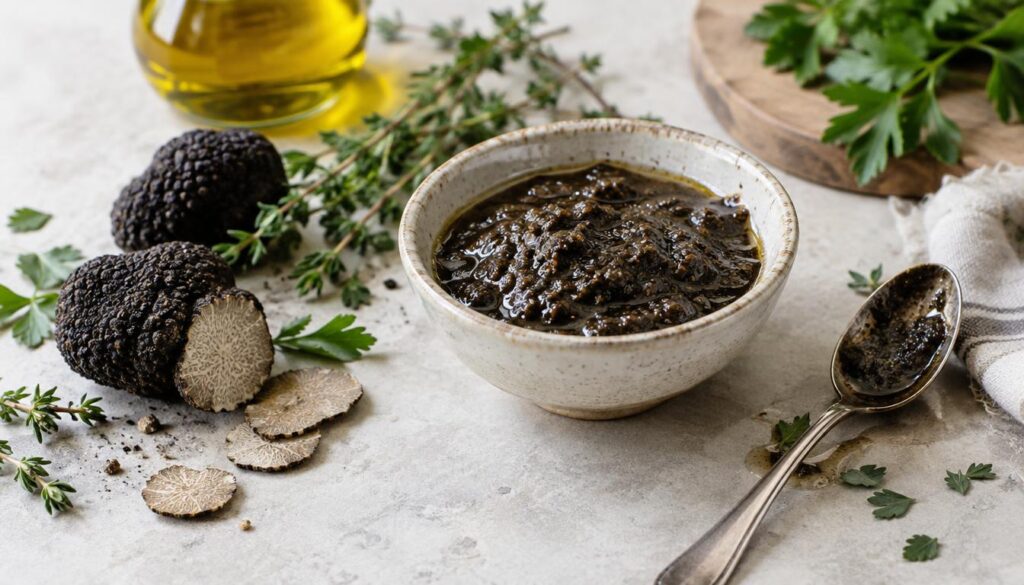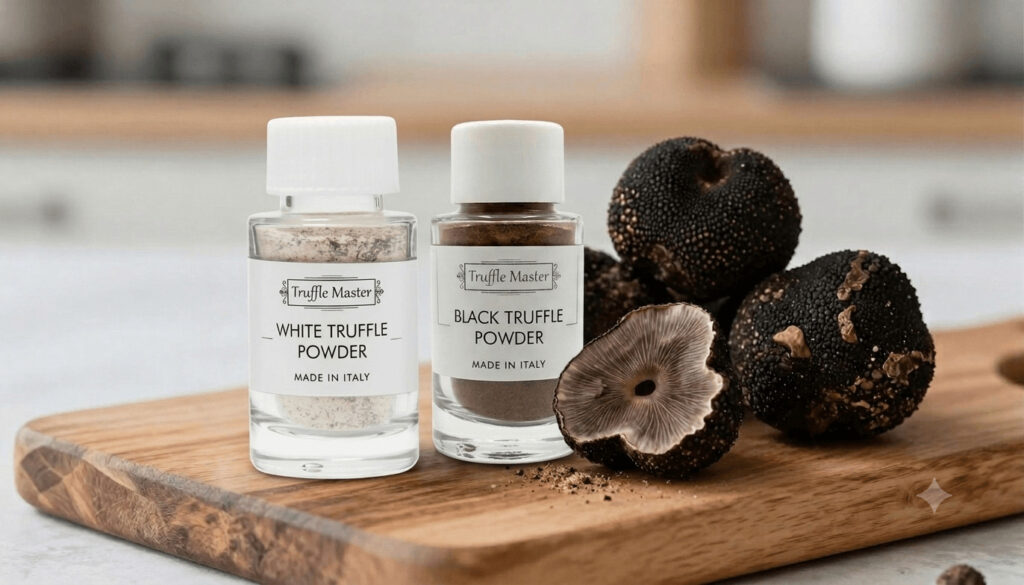
Understanding the Complex Truffle Flavour Profile
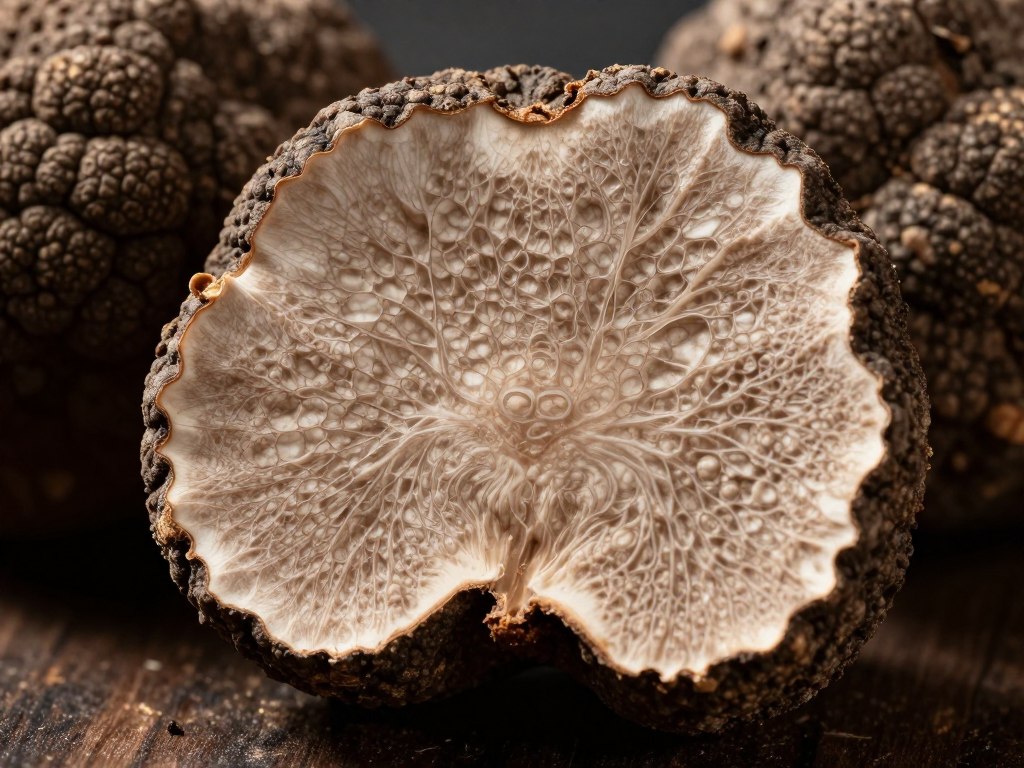 Truffle taste is primarily aroma-led: a concentrated scent that defines how the palate interprets flavour. Expect discernible earthiness and savoury umami, finished by musky and garlic-like notes that lend complexity without unnecessary flourish.
Aroma is the practical starting point. Volatile compounds register both orthonasally and retronasally, so smell arrives first and shapes perception; think forest floor and crushed nuts, with a garlic-like lift at the edges. Quick sensory cues: black — cocoa and nuts; white — garlicky, musky and intensely aromatic.
On tasting, earthiness predominates and is supported by umami depth and a faint balancing bitterness. Variety and origin introduce further nuance: black truffles are generally robust and layered, while white truffles are more pungent and delicate. For specifics, see the black truffle and white truffle sections below.
The truffle experience hinges on aroma because these fungi release concentrated volatile compounds that form their signature scent. The interplay of smell and taste completes the sensation. Concentrated formats such as quality truffle powder capture these aromatics and provide dependable flavour intensity when used with care.
Fresh truffles lose potency quickly after harvest; use within days where possible. That limited window prompts many cooks to choose preserved options when consistency and convenience are required, particularly outside peak supply periods.
Black Truffle Taste: Rich Earthy Depth
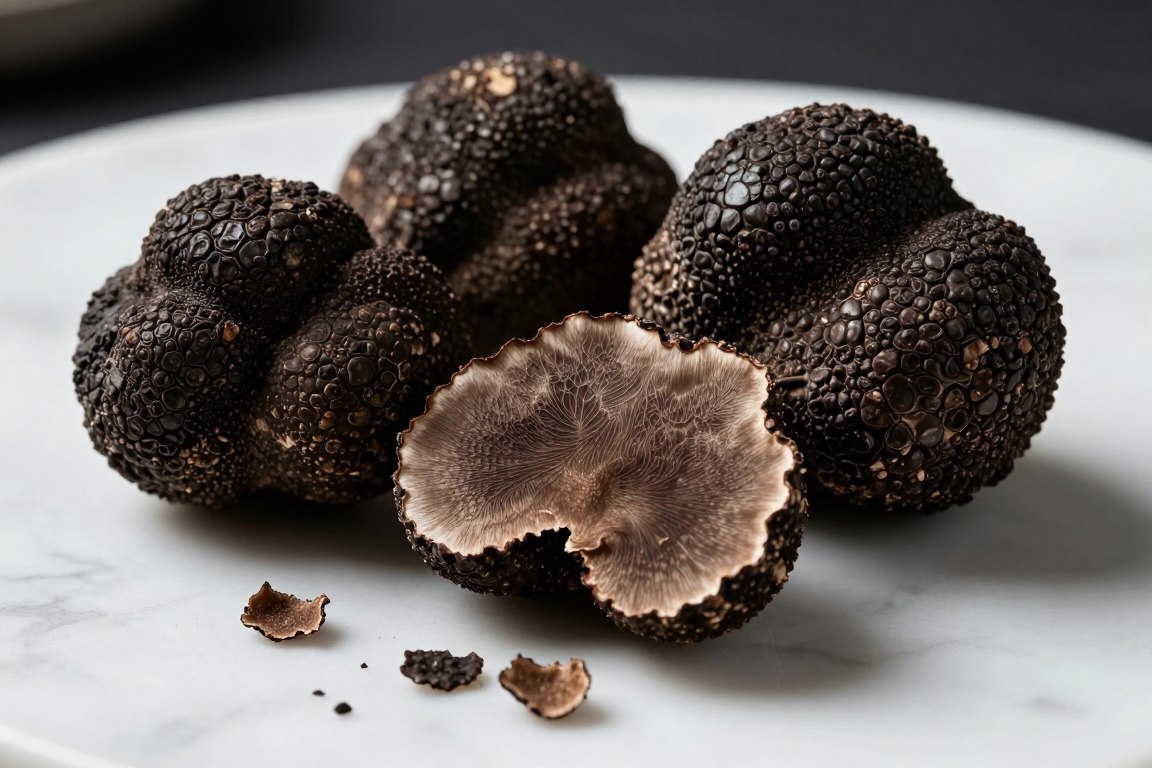 Black truffles, notably Tuber melanosporum, present a concentrated, robust flavour profile marked by deep earthiness and pronounced umami. With the best specimens, subtle cocoa and toasted-nut notes are often discernible beneath the primary savoury character.
The aroma is musky with a garlic-like lift and occasionally faint cocoa or coffee hints. Controlled, gentle heat can release and slightly amplify these compounds; as a result, black truffle tolerates light cooking better than white truffle, though timing remains important to preserve nuance.
Black summer truffles are milder and more approachable, making them well suited to everyday pasta, risotto or egg preparations where they enhance rather than dominate. For a straightforward example, shave thinly over buttered tagliatelle just before serving to showcase texture and aroma without excess cooking.
Experience Authentic Black Truffle Flavour Year-Round
Our Black Truffle Powder captures the rich, intense umami character associated with Tuber melanosporum. Handcrafted in Perugia, Italy and finished in the UK, the powder is a concentrated format designed for dependable seasoning; a small pinch goes a long way. For full specification and sourcing details, see the product page.
Autumn is commonly the peak season for many prized black truffles, though exact timing varies by species and region. That seasonality can constrain meal planning; preserved formats provide a reliable alternative when fresh supply is limited.
White Truffle: Pungent Aromatic Luxury
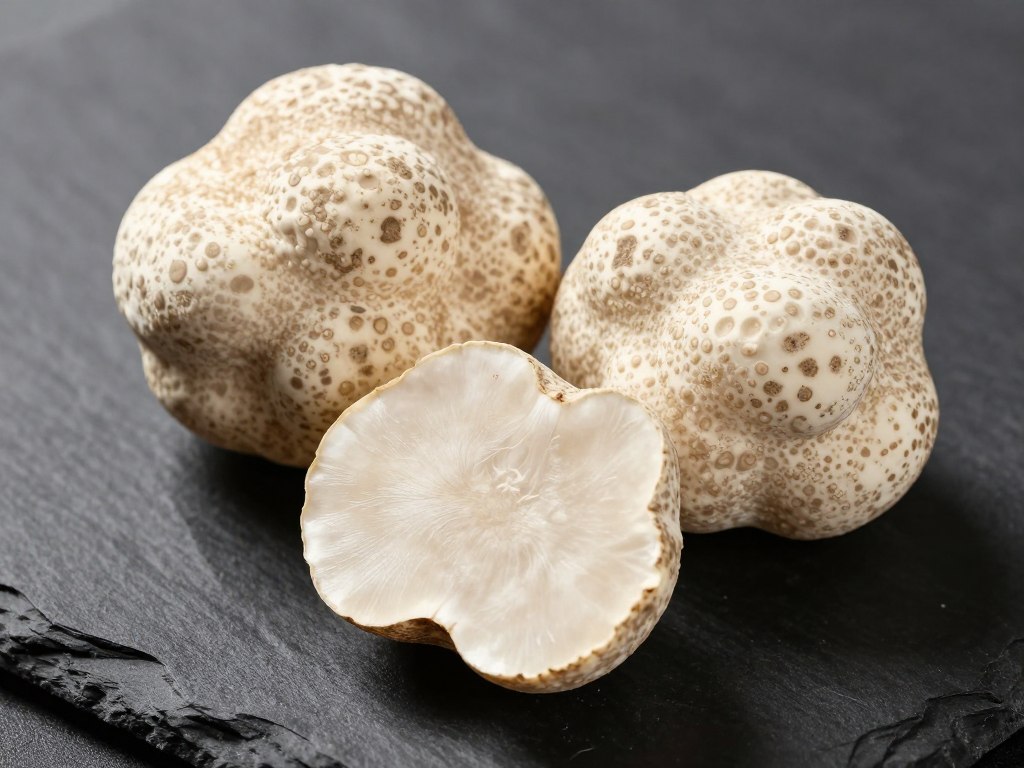 White truffles, especially those from Alba, deliver an unmistakable, highly concentrated aromatic profile: pungent, garlicky and musky, with earthiness playing a supportive role. Their intensity is a defining trait and best appreciated with restraint.
The aroma can be powerful — musky, garlicky and occasionally recalling fermented cheese or shallots — and it typically outstrips black truffle in immediacy. That authentic essence is why white truffle is treated as a culinary delicacy and used sparingly to finish dishes.
White truffles show their finest character when served raw. Heat dissipates delicate volatile compounds quickly; paper-thin shavings over a simple, fat-based base — buttered tagliatelle or warm scrambled eggs taken off the heat — make excellent examples of how to preserve aroma while delivering flavour.
Alongside the dominant garlic-like notes there is often a subtle sweetness, which adds complexity and lengthens the finish when paired with butter, cheese or a rich egg yolk. These carriers bind the aroma and distribute it across the palate.
Fresh white truffles command premium prices, commonly quoted in the region of £2,000–£6,000 per kilogram depending on grade and harvest conditions, and the season is short, typically from autumn into early winter. Because of that scarcity, many cooks choose concentrated formats when year-round access is required.
Discover Premium White Truffle Excellence
Our White Truffle Powder brings the pungent, aromatic character associated with Alba’s finest white truffles into everyday use. Handcrafted in Northern Italy and finished in the UK, the powder provides a concentrated, dependable seasoning when fresh truffle is unavailable; for full product specifications and sourcing details, please consult the product page.
Although Tuber magnatum from Alba remains the benchmark for intensity, other white varieties exist and each presents subtle distinctions. The practical choice for the kitchen depends on desired aroma strength and the intended dish.
How to Best Experience Truffle Taste in Cooking
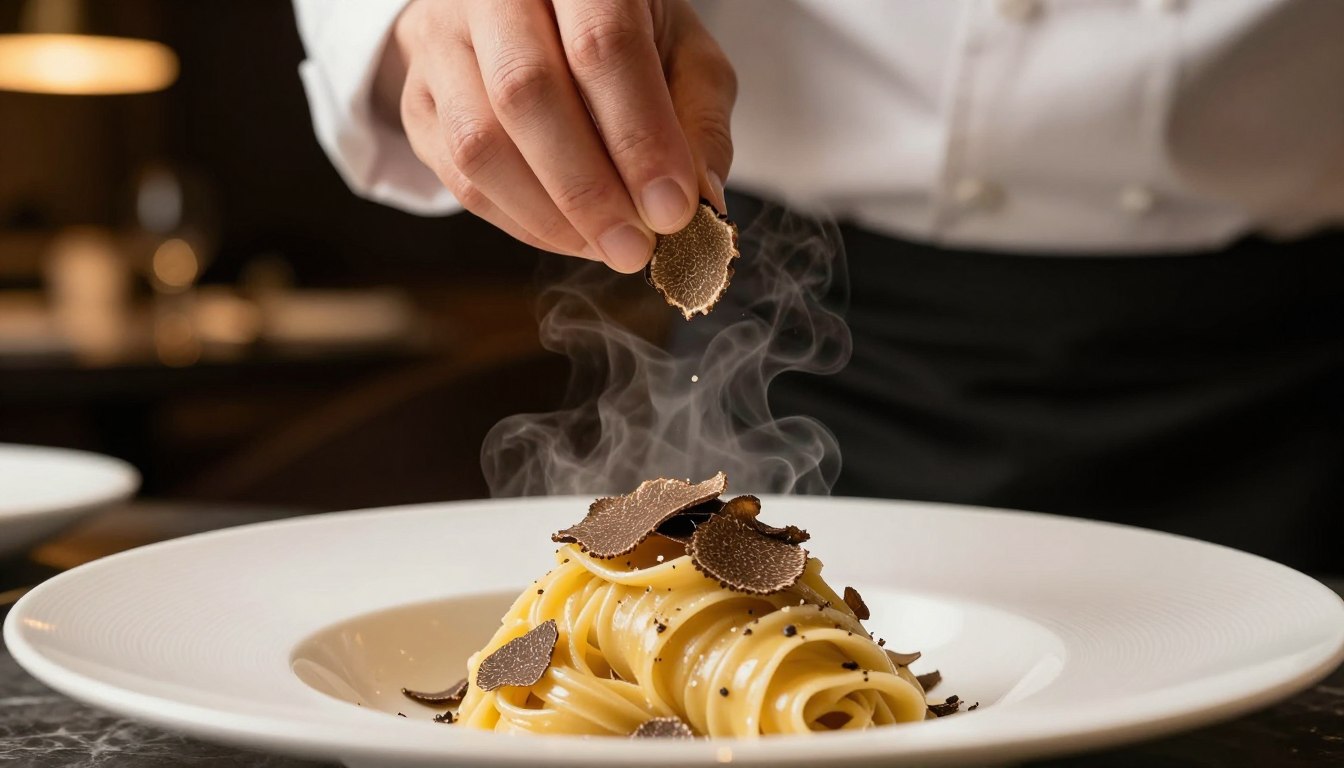 Truffle elevates straightforward food when treated with restraint. The practical rule: pair truffle with ingredients that support rather than compete — fat-based carriers are the most dependable way to carry and amplify truffle flavour.
Pasta is an ideal canvas. Fresh ribbon pasta such as tagliatelle or pappardelle offers neutral starch that lets truffle take the lead; toss with butter or a little light oil and finish with fine shavings or a small dusting of powder so the aroma remains central.
Risotto and truffle are a natural match. The creamy, starchy texture absorbs and distributes truffle notes through every mouthful; add truffle at the finish so residual heat releases aroma without degrading delicate compounds.
Eggs form a classic, high-performing pairing. The yolk’s richness amplifies truffle character — scrambled eggs or a softly cooked omelette finished with a cautious pinch of truffle will reliably showcase the ingredient.
Perfect Truffle Pairings
- Fresh tagliatelle with butter and fine black truffle shavings
- Creamy risotto finished with a light dusting of truffle powder
- Soft-scrambled eggs enhanced with a small pinch of truffle
- Mashed potatoes enriched with truffle and cream
- Aged cheese or Parmesan to add complementary umami
- Polenta topped with delicate truffle shavings
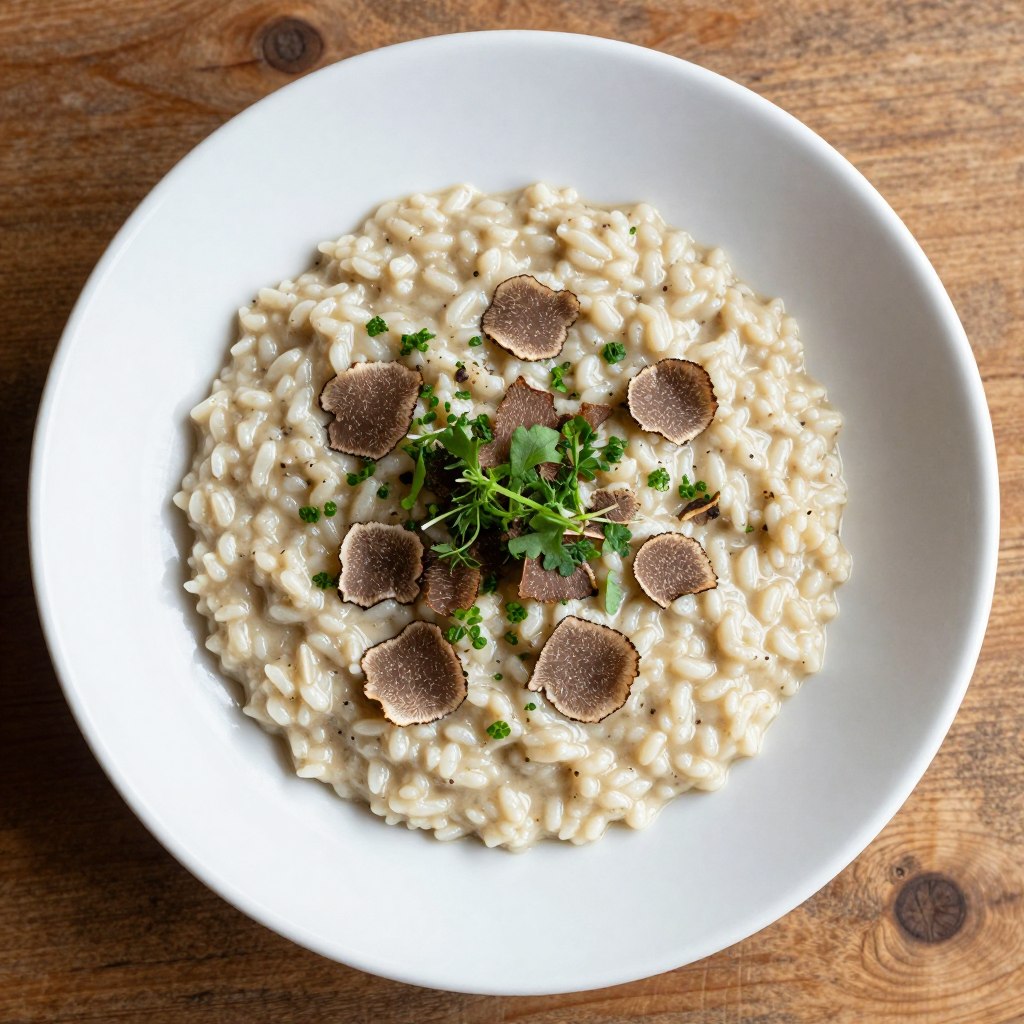
Heat sensitivity varies by type. Black truffles withstand gentle warming and may reveal broader depth with brief heat; white truffles are best used raw or added at the end so their volatile notes remain intact. Plan dishes with that distinction in mind.
Cheese is an effective partner: mild, creamy cheeses let truffle remain the star, while aged cheeses such as Parmesan add a complementary umami lift. Fat in cheese carries and prolongs truffle aroma across the palate.
Truffle oil can be convenient in the kitchen, but many commercial oils use synthetic flavourings that do not reflect authentic truffle complexity. For genuine results prefer natural truffle products — fresh shavings or a quality truffle powder provide a more concentrated, authentic finish.
Fresh Truffles Versus Truffle Powder: Understanding the Difference
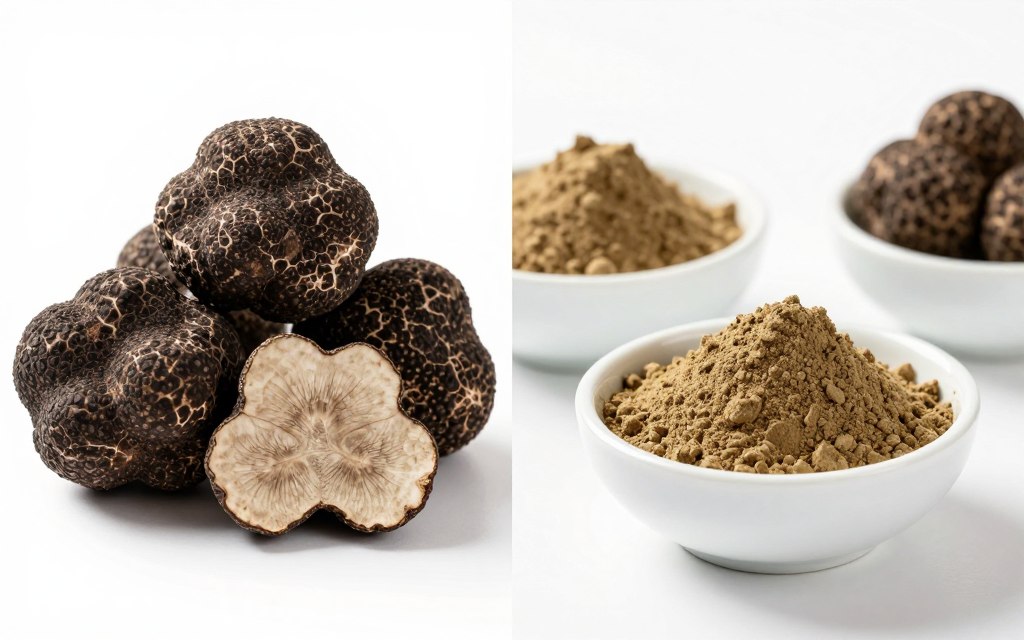 The choice between fresh truffles and preserved truffle products affects kitchen outcomes significantly. Fresh truffles offer the most immediate, concentrated aroma and are unrivalled for a celebratory finish; preserved formats provide consistency, convenience and dependable seasoning for everyday use.
Peak scent and flavour in fresh truffles are brief — typically a matter of days — so cooks must plan use closely if they expect the truffle to read at its best on the plate. For many cooks, that constraint makes a preserved product the practical alternative outside harvest windows.
Fresh Truffle Limitations
- Very short shelf life (commonly up to 7–10 days)
- Daily moisture loss reduces aroma and weight
- Price volatility tied to annual harvests
- Seasonal availability restricts year-round use
- Often needs a fat carrier to reveal delicate notes
- Premium cost with risk of waste if not used promptly
- Requires careful storage and rapid planning
Truffle Powder Advantages
- Extended shelf life of around 1–2 years when stored correctly
- Consistent flavour intensity from first to last use
- Year-round availability removes seasonal limitations
- Small quantities deliver concentrated truffle taste
- Portable and convenient for finishing dishes in service
- Better value for routine seasoning compared to fresh
- No waste from rapid deterioration or moisture loss
- Freeze-drying concentrates aromatic compounds by weight
Freeze-drying removes water and concentrates remaining compounds; for example, a product manufactured from 3% fresh truffle can yield a substantially higher relative concentration by weight after processing. The result is a compact, stable product that retains much of the truffle character while being practical in the kitchen.
Some commercial truffle products contain only a fractional amount of real truffle and rely on fillers or synthetic flavours; discerning palates will note the difference. Premium powders produced in small batches, with clear sourcing and ingredient lists, aim to preserve authentic taste profiles and traceability.
Choose fresh truffle when the dish is designed to showcase the fungi directly — a raw finish on pasta or eggs — and select powder for reliable finishing, restaurant service or when seasonality precludes fresh supply. Each format has its place: one for the singular moment, the other for consistent, everyday refinement.
Black Truffle Powder
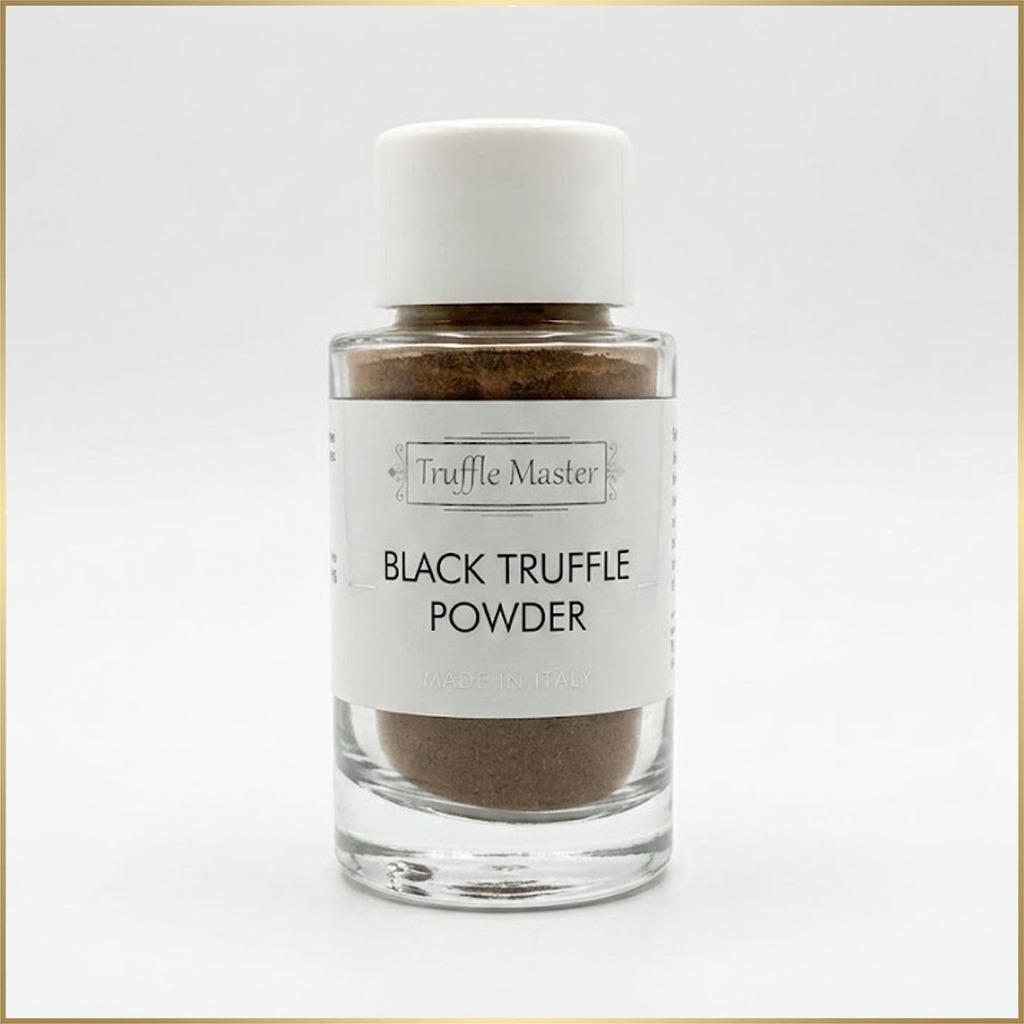
Rich, intense umami flavour handcrafted in Perugia, Italy. Contains 3% finest black summer truffle (15% post-freeze-drying). Suitable for vegetarians and vegans. Exceptional value with 1-2 year shelf life.
- Handcrafted in small Italian batches
- 15% truffle content after processing
- Global reach across 32 countries
- Completely natural ingredients
White Truffle Powder
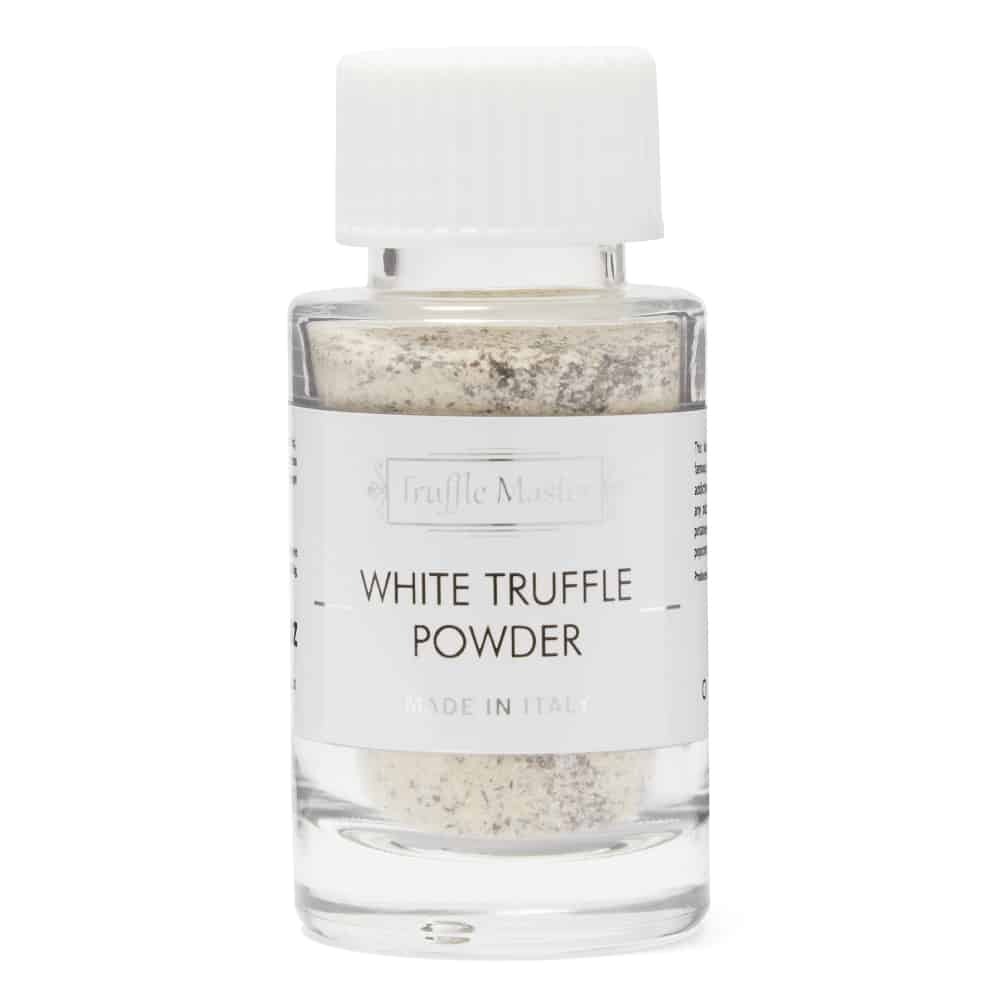
Smooth, silky finish with authentic Alba truffle character. Crafted in Northern Italy with 3% finest white truffle (15% post-freeze-drying). Exceptional value considering Alba truffle costs £2,000–£6,000 per kilogram.
- Authentic white Alba truffle character
- 15% concentrated truffle content
- Year-round luxury accessibility
- Suitable for all dietary preferences
Storage and use are simpler with powder: sealed containers at room temperature and away from direct heat maintain quality far longer than refrigeration can preserve fresh truffles. For cooks who require dependable truffle flavour without seasonal constraints, powder is a practical, refined solution.
Powder is versatile: sprinkle it over finished dishes, blend into sauces without altering texture, or fold into butter and oils to create compound products. Use fresh truffles when the moment demands singular intensity; use powder when consistency and convenience matter.
Maximising Truffle Flavour: Storage and Usage Tips
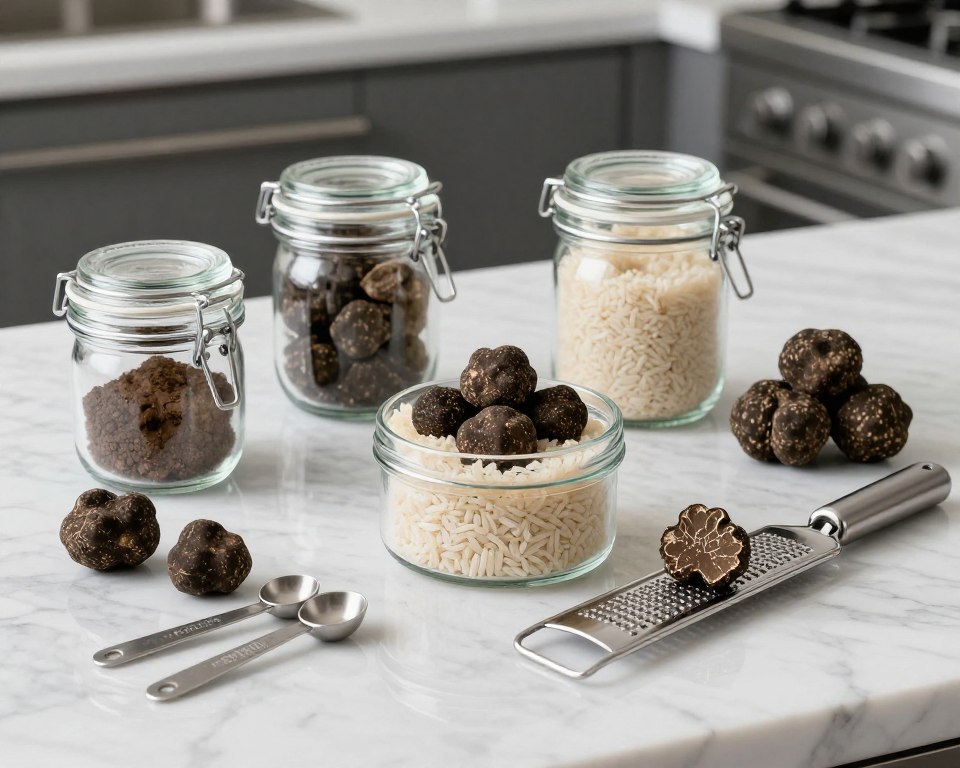 Careful handling preserves truffle character. Fresh truffles and powdered forms require distinct approaches; applying the correct technique ensures the most satisfying flavour in the kitchen.
Fresh truffles demand immediate attention. Do this: wrap gently in paper towels, change the paper each day to limit moisture build-up, and keep in a sealed container in the refrigerator. The reality is that even with care, use within seven to ten days gives the best result. Don’t store prized truffles in rice if you expect peak aroma — that method absorbs moisture but also draws out scent into the rice.
Truffle Powder Storage Excellence
High-quality truffle powder is low-maintenance: keep the container tightly sealed and store in a cool, dry pantry away from direct heat. Avoid placing jars near ovens or hobs; temperature fluctuations and radiant heat degrade concentrated flavour compounds. Proper storage typically preserves powder quality for one to two years.
Usage tip: A small pinch of quality truffle powder goes a long way. Start sparingly — concentrated truffle often delivers better results in smaller amounts. Many cooks carry a tiny jar for finishing dishes when dining out.
Application Techniques for Maximum Impact
Timing is crucial. For black truffle powder add near the end of cooking so brief warmth releases aromatic compounds without flattening them. White truffle powder, by contrast, performs best when sprinkled onto a finished dish so residual heat activates its pungent notes without destroying them.
Fat-based preparations amplify truffle flavour: butter, cream, cheese and oils bind with truffle compounds and carry aroma through each bite. Simple compound butter is a dependable technique — fold a measured pinch of powder into softened butter, chill, slice and finish hot dishes.
- Do: finish eggs with a light dusting of truffle just before serving.
- Do: stir a small pinch into mashed potatoes with cream and butter for even distribution.
- Do: toss hot pasta with butter and a modest sprinkle of powder, using a little reserved cooking water if needed.
- Don’t: expose powder to prolonged high heat; much of the aroma will be lost.
- Don’t: use excessive amounts — too much can become bitter and blunt nuance.
Surface area matters: thin shavings or fine grating release aroma steadily, while powder provides maximum coverage per serving. Apply sparingly — truffle should enhance the ingredient, not overwhelm it. Taste as one goes and adjust to reach a balanced, discernible presence.
Perfect Pairings: What Works Best with Truffle Taste
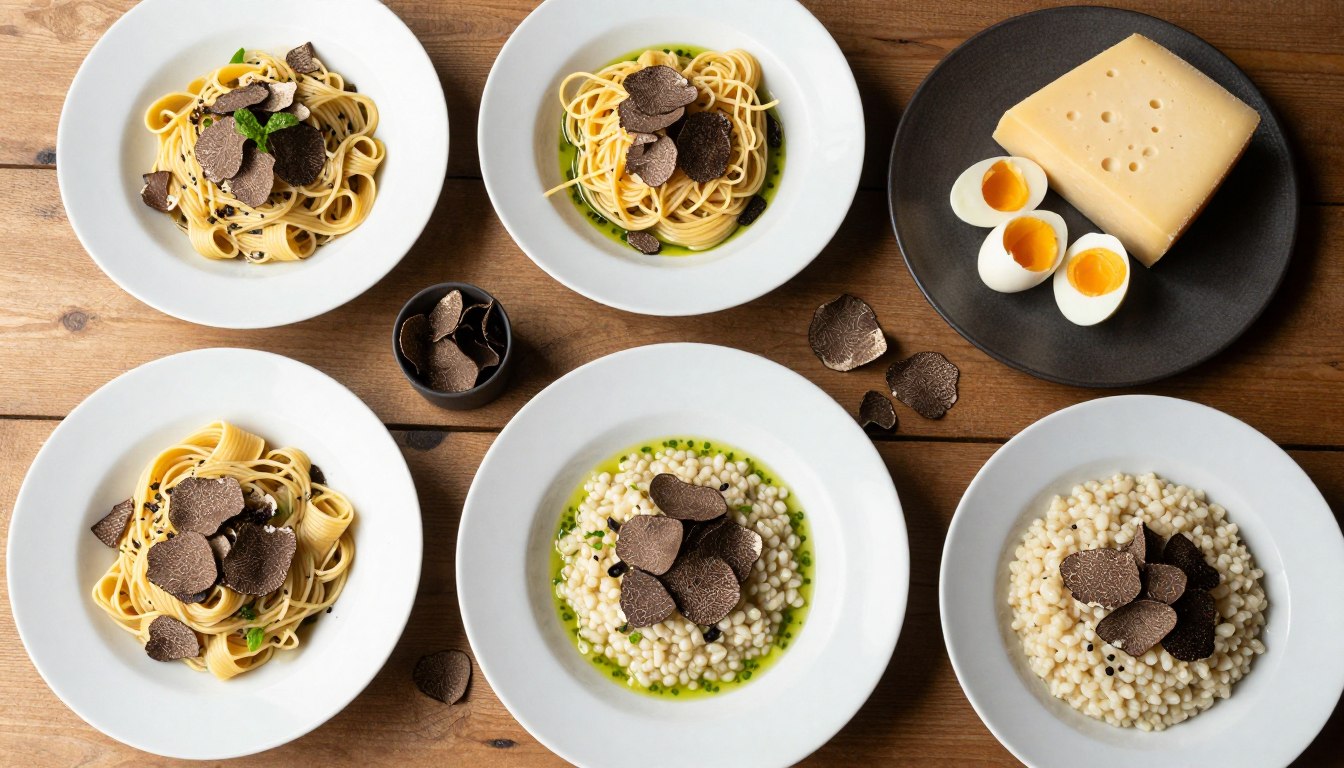 Certain ingredients naturally complement truffle, creating balance rather than competition. Choosing the right partner — typically starch, fat or umami-rich components — helps the truffle’s aroma and flavour register clearly on the plate.
Classic Truffle Companions
Eggs work exceptionally well: the yolk’s fat carries and magnifies truffle notes, so simple preparations such as soft-scrambled eggs or a restrained omelette allow truffle to be the focal point. A practical example: finish warm scrambled eggs off the heat with a light dusting of truffle powder or two thin shavings.
Pasta provides a neutral canvas. Fresh ribbon pastas — tagliatelle or pappardelle — absorb truffle readily; butter or a touch of cream distributes flavour evenly without competing. Try buttered tagliatelle with fine black truffle shavings for a clear, refined result.
Risotto’s creamy, starchy texture carries truffle earthiness through every mouthful. Add truffle at the last moment so residual heat releases aroma while preserving delicate compounds.
Ideal Protein Pairings
- Beef carpaccio with a few truffle shavings and a drizzle of olive oil — the raw beef lets truffle sing.
- Roasted chicken finished with truffle compound butter for a subtle, even lift.
- Pan-seared scallops with a whisper of truffle to complement sweetness without masking it.
- Grilled steak topped with a small slice of truffle butter for a savoury finish.
Perfect Vegetable Matches
- Roasted mushrooms with truffle seasoning — echoes the fungi’s earthiness.
- Mashed potatoes enriched with truffle and cream — starch and fat carry aroma.
- Asparagus briefly blanched and drizzled with a truffle-infused oil for lightness.
- Cauliflower purée enhanced with a measured pinch of truffle powder for even distribution.
Cheese and Truffle Synergy
Mild, creamy cheeses such as brie or fresh mozzarella let truffle remain the star, while aged cheeses — Parmesan or pecorino — add complementary umami. A simple technique: fold a small amount of truffle powder into ricotta or mascarpone for a luxurious pasta filling or a refined crostini topping.
Unexpected Truffle Applications
Truffle performs well in restrained, unconventional contexts: a light dusting on popcorn with melted butter makes an elevated snack; a finishing shave can lift certain pizzas; and a thin smear of truffle butter on toast turns the ordinary into something considered. Sauces too — béchamel, hollandaise and cream-based sauces — benefit from truffle added after heat to preserve aromatic compounds while integrating taste.
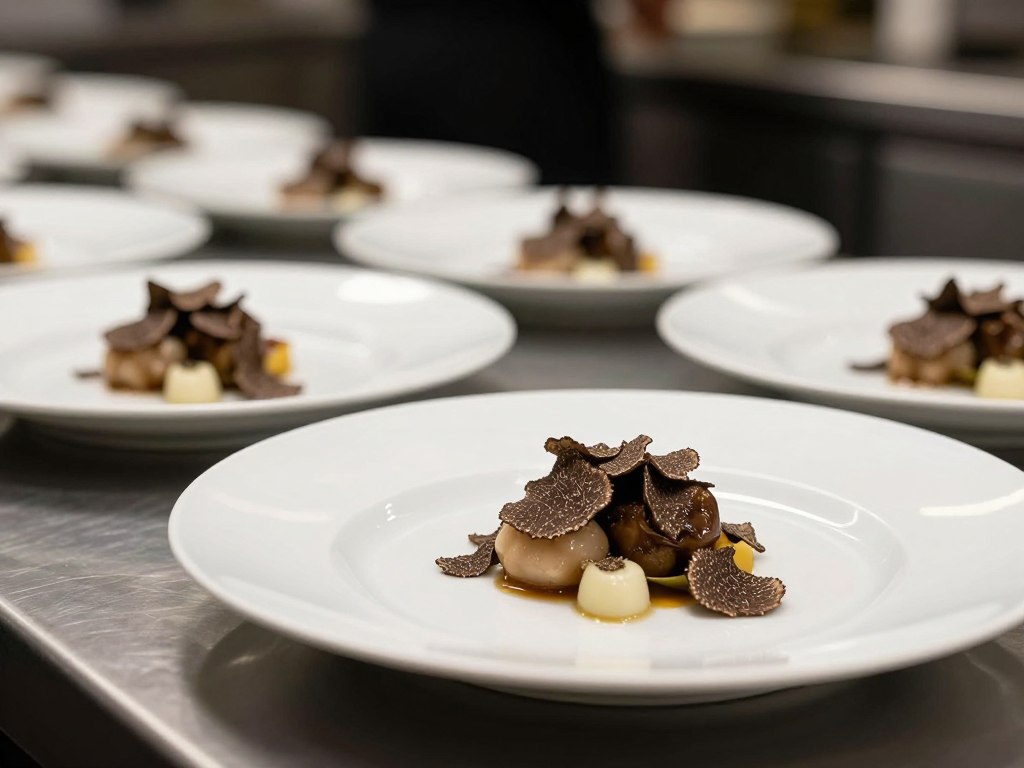 Truffle can even appear subtly in desserts. Chocolate shares earthy notes with truffle; a restrained pairing with white chocolate can work when used sparingly, creating a complex counterpoint without overpowering sweetness.
Oils and butter are reliable carriers: blend truffle powder into softened butter for compound butter, or gently infuse oil for finishing. These preparations extend versatility while preserving authentic truffle character and make it straightforward to apply truffle across dishes and recipes.
Truffle Varieties: Understanding Different Types and Where They Grow
The truffle world extends beyond a simple black-and-white distinction. Multiple species grow in varied regions and each variety brings a distinct flavour profile and culinary use; knowing the principal types helps when selecting truffle for a specific dish or season.
Black Truffle Varieties
Tuber melanosporum — the black winter truffle — is highly regarded for its intense, layered flavour and strong umami. Found primarily in France, Italy and Spain, it performs well in dishes that tolerate a short, gentle warming and is ideal for finishing slow-cooked pastas or risottos with a thin shave at service (autumn to winter peaks).
Black summer truffle (Tuber aestivum) is gentler and more affordable; its subtler aroma suits everyday pasta, eggs and vegetable dishes from late spring through summer. Burgundy truffles occupy a midpoint, often harvested in autumn, with hazelnut-like notes that bridge raw and lightly cooked applications.
White Truffle Distinctions
Tuber magnatum, the Alba white truffle, is prized for its pungent, garlicky, musky aroma. Northern Italy (Piedmont and nearby areas) produces the finest specimens; the season is brief — typically autumn into early winter — and the variety is best used raw as a finishing element over simple, fat-based dishes to preserve its delicate volatile compounds.
Where Premium Truffles Grow
Truffles form symbiotic relationships with tree roots; oak, hazel and poplar are common hosts. Because they develop beneath the surface, skilled dogs (now preferred over pigs) locate them by scent. Soil chemistry and climate matter: limestone-rich, well-drained soils with favourable rainfall and temperature patterns tend to produce higher-quality specimens.
Italy and France remain key centres of premium truffle production, but cultivation has expanded worldwide. Australia, New Zealand and parts of North America now produce truffles commercially, with variable results in yield and flavour as growers refine techniques.
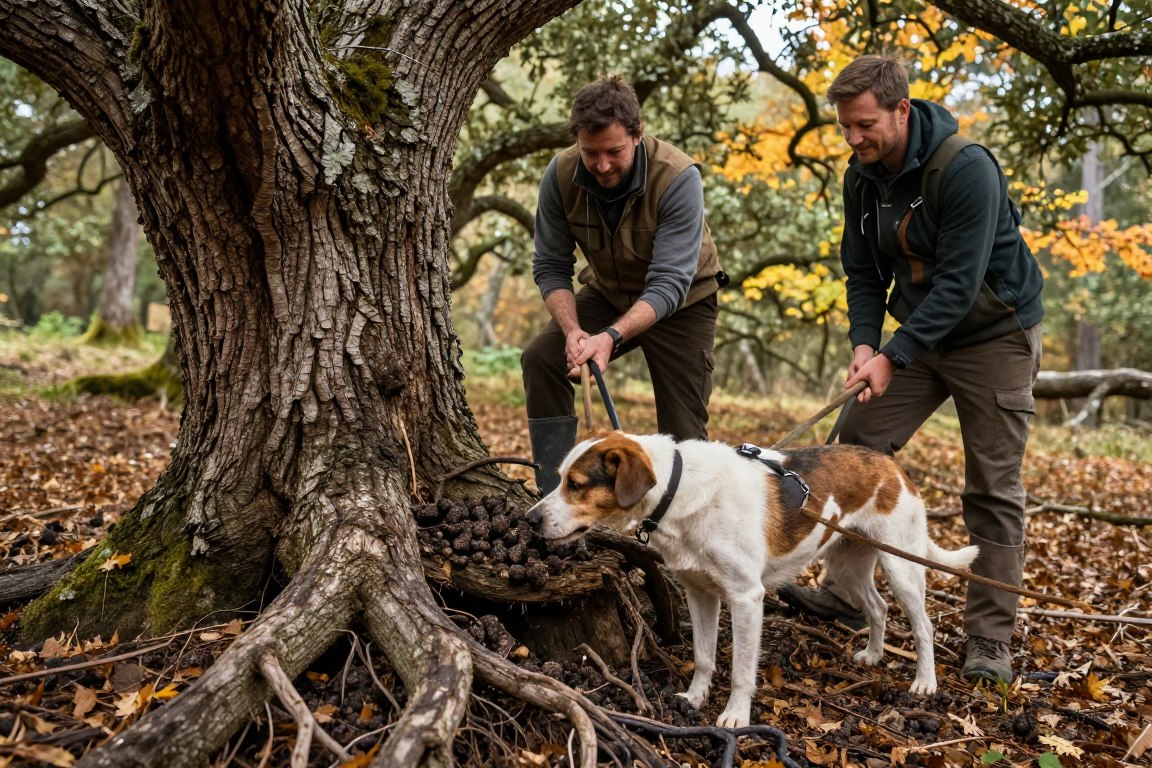
Seasonal Availability Challenges
Each variety follows a seasonal rhythm: winter truffles surface in cooler months while summer types appear in warmer periods. That seasonality limits year-round availability of fresh truffles and contributes to price volatility. Weather extremes — drought, heavy rain or unseasonal temperatures — may reduce yields and alter flavour quality, which is why many kitchens balance fresh purchase against preserved products to ensure consistent truffle presence on the menu.
Best Cooking Methods to Preserve Truffle Flavour
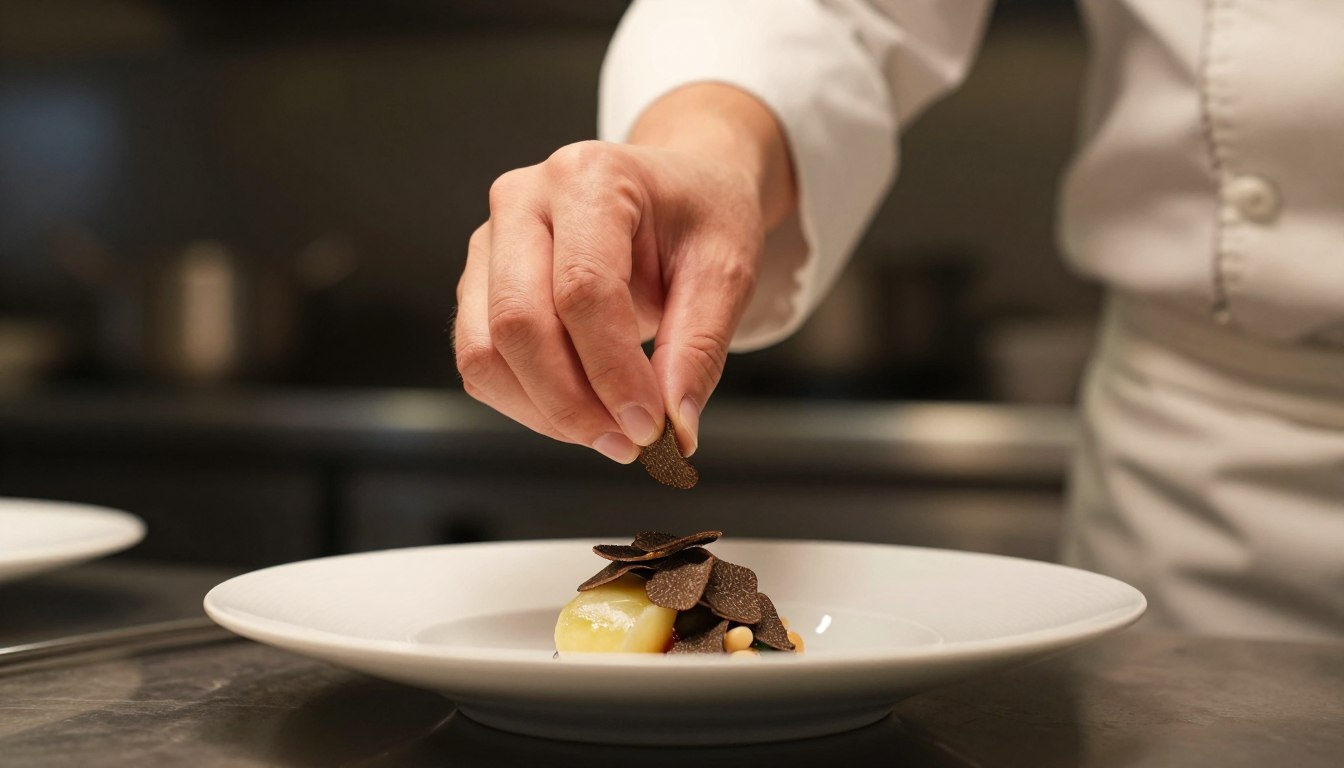 Technique determines how truffle taste presents on the plate. Different varieties and formats require tailored approaches to protect volatile aromatic compounds while delivering refined, concentrated flavour.
Heat Sensitivity Considerations
White truffles are highly heat-sensitive: their distinctive volatiles break down quickly with cooking. Add white truffle at the end, using residual warmth to release aroma without destroying character. Black truffles are more tolerant of gentle heat; brief, moderate warming can deepen their earthy qualities, but prolonged high temperatures will reduce nuance.
Truffle powder is generally more forgiving with heat because freeze-drying stabilises many flavour compounds. It may be incorporated earlier in a cook for even distribution, though a finishing dusting still maximises aromatic impact.
Optimal Preparation Techniques
Shaving remains the classic technique: paper-thin slices maximise surface area and aroma release. Use a truffle slicer for the finest, most consistent results. Grating with a microplane disperses fine particles into sauces, eggs and pasta, reducing texture while spreading flavour evenly.
Infusions are practical: gently warm butter or oil with truffle for a short period so fats absorb aromatic compounds; keep temperatures low (around 40–50°C) and limit time to prevent aroma loss. Strain if a clear infusion is required, or leave small pieces in for continued flavour development.
Recommended Cooking Approaches
- Add truffle to dishes immediately before serving to protect volatile compounds.
- Use residual heat to activate aroma rather than prolonged direct heat.
- Incorporate truffle into butter or cream for even distribution across sauces and pasta.
- Finish dishes with a light dusting of truffle powder or a few fine shavings.
- Make compound butter: mix a measured pinch of powder into softened butter, chill and slice.
- Toss hot pasta with truffle and a little reserved cooking water to bind flavour gently.
Methods to Avoid
- Extended high-heat cooking that destroys delicate aromatic compounds.
- Boiling truffle in large volumes of liquid, which dissipates aroma.
- Adding truffle too early in the process, losing volatile notes to heat.
- Combining with overpowering spices or acidic ingredients that clash.
- Using excessive amounts that create bitterness rather than depth.
- Overheating oils when infusing; keep temperature low and brief.
Fat as Flavour Carrier
Butter is an ideal companion: milk fat binds truffle compounds and carries aroma across the palate. Olive oil will absorb truffle notes if warmed gently; avoid overheating. For a basic infusion: keep oil at a low temperature (under 50°C) for 10–20 minutes, then cool and strain if a clear oil is desired.
Portion Control and Intensity
Less often delivers more with truffle. Start conservatively — about a quarter to a half teaspoon of quality powder per serving or one to two short shavings of fresh truffle for delicate dishes — and taste as you go. Premium truffle products with substantial truffle content require smaller amounts; lower-quality blends demand more and rarely satisfy. Layer applications — a light touch during cooking and a finishing addition — creates depth while preserving vibrant aroma.
Frequently Asked Questions About Truffle Taste
What does truffle taste like compared to mushrooms?
Short answer: truffles are more concentrated and complex than ordinary mushrooms. Where common mushrooms give an earthy umami, truffles add pronounced musky and garlicky notes with a faint sweetness and a much stronger aroma; black truffles often show chocolate and nut undertones, while white truffles can present an intense, almost fermented pungency.
Why do fresh truffles lose flavour so quickly?
Fresh truffles contain volatile aromatic compounds that dissipate after harvest and they lose moisture daily, even when refrigerated. The reality is that significant flavour loss commonly occurs within around seven to ten days, which makes fresh truffles challenging for home cooks to store and use at peak quality.
Can truffle powder really match fresh truffle taste?
Short answer: high-quality powder can approximate fresh truffle character for many applications. Freeze-drying concentrates aromatic compounds — for example, a formulation using 3% fresh truffle may produce a markedly greater relative concentration by weight after processing — and when produced with clear sourcing and no fillers, powders deliver an authentic, dependable seasoning. See product specifications for exact composition.
What dishes best showcase truffle flavour?
Simple, fat-based, neutral dishes are the most effective canvases. Pasta with butter, scrambled eggs, creamy risotto and mashed potatoes provide starch and fat to carry and distribute truffle aroma so the ingredient remains the focal point rather than being lost among competing flavours.
How much truffle powder should be used per serving?
Begin conservatively. For quality powder, a guideline is roughly one-quarter to one-half teaspoon per serving; for fresh truffle, aim for one to two thin shavings per serving of pasta. Because concentrated truffle can become bitter in excess, taste as you go and adjust to a balanced, perceptible presence.
Are there differences between black and white truffle taste?
Yes. Black truffles tend toward robust earthiness with chocolate and nutty notes and tolerate gentle cooking, while white truffles are generally more pungent and garlicky with a musky intensity that is best preserved by serving raw or adding at the finish. Use these differences to guide pairing and technique.
Why does truffle oil often taste artificial?
Many commercial truffle oils are flavoured with synthetic compounds that mimic truffle aroma; 2,4-dithiapentane is a commonly cited example. Those chemicals produce a sharp, one-dimensional scent that lacks layered complexity. To spot a natural product, check the ingredient list: genuine truffle-infused oils list truffle or truffle extract and fewer synthetic additives. Natural options and quality powders or fresh shavings generally give a more authentic result.
Can vegetarians and vegans enjoy truffle products?
Absolutely. Truffles are fungi and therefore inherently suitable for vegetarian and vegan diets. Quality truffle powders made from natural truffle and plant-based carriers contain no animal-derived ingredients and are an effective way to introduce savoury umami depth to plant-based pasta, risotto, vegetables and vegan cheeses.
Embracing Authentic Truffle Flavour Year-Round
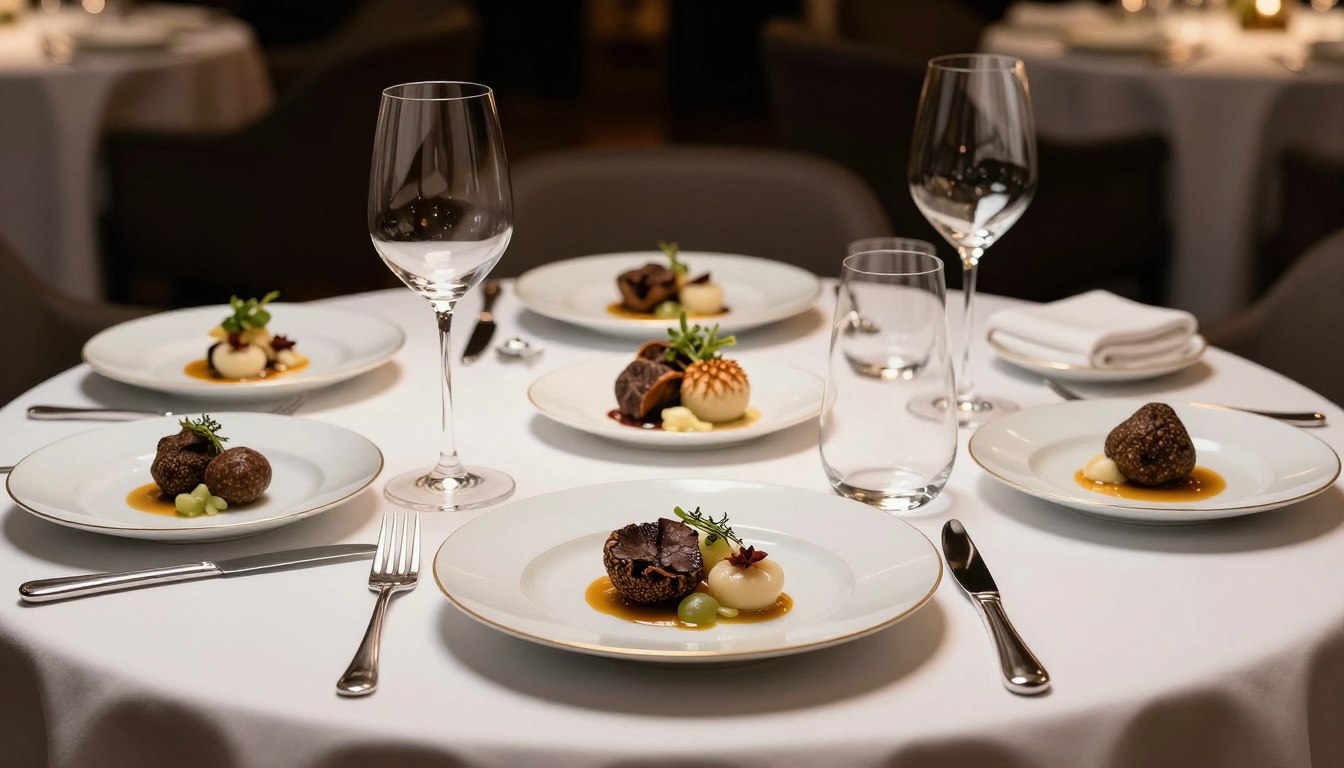
Understanding what truffles taste like opens practical doors in the kitchen: their concentrated, earthy, umami-rich character elevates simple ingredients into refined dishes. Black truffle brings robust depth; white truffle supplies pungent aromatic luxury — each has a dependable place in the cook’s repertoire.
The traditional constraints of fresh truffles — short shelf life, narrow seasonal windows and premium pricing — need not prevent regular use. Modern preservation and carefully produced formats make authentic truffle taste more accessible without losing the core sensory qualities chefs seek.
Quality truffle powders, when made with transparent sourcing and careful processing, can capture the authentic essence of fresh truffle. Handcrafted methods in Italy, combined with considered finishing in the UK, aim to preserve flavour while freeze-drying concentrates aromatic compounds and extends usability to around one to two years.
Simple preparations remain the most effective: pasta, eggs and risotto readily showcase genuine truffle character. The pertinent consideration is to choose products from producers who prioritise authentic truffle content and traceability, so flavour — not filler — defines the result. For specifications and recipe ideas, consult the product and recipe pages.
The world of truffle spans terroir, tradition and culinary craft. Whether you favour black truffle earthiness or white truffle pungency, a measured, quality-led approach rewards those seeking genuine gourmet taste throughout the year.
 Truffle Master